When Iran Vanished from my Phone Screen
An Iranian journalist in Vilnius follows the news from her home country as it moves through a historic and deadly political shift.
The author of this piece remains anonymous for safety reasons. Their identity is verified and known to the editorial team.
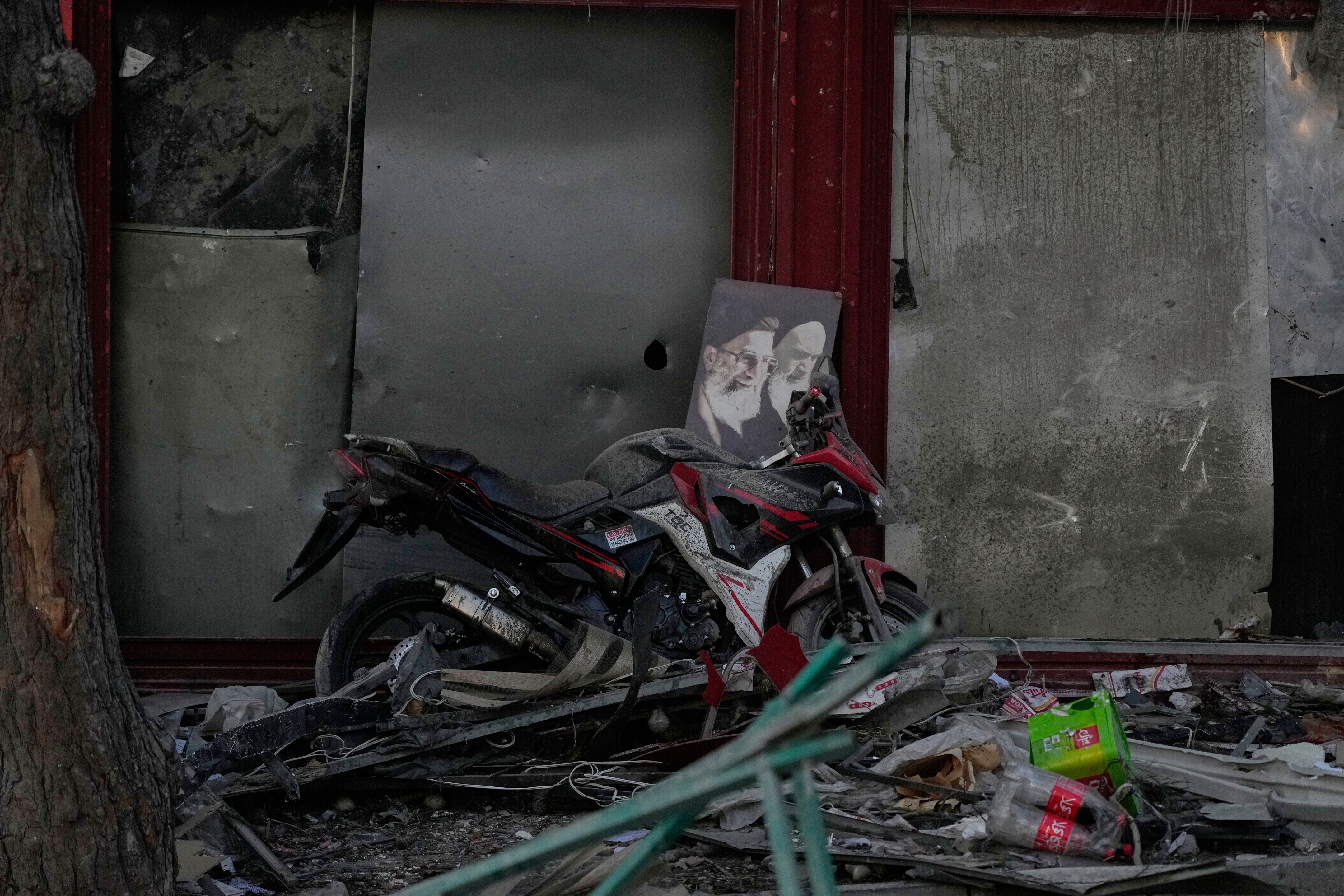
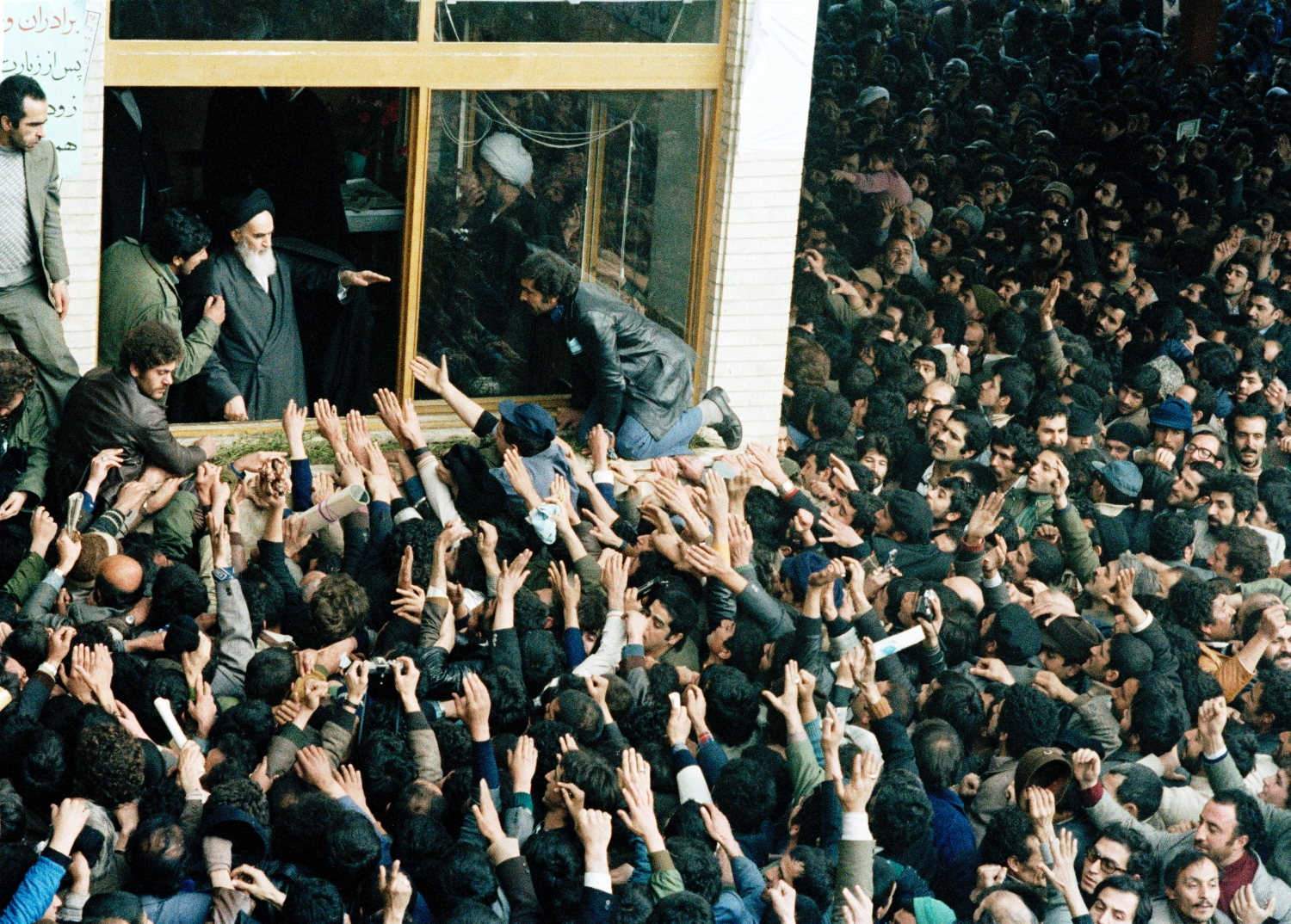
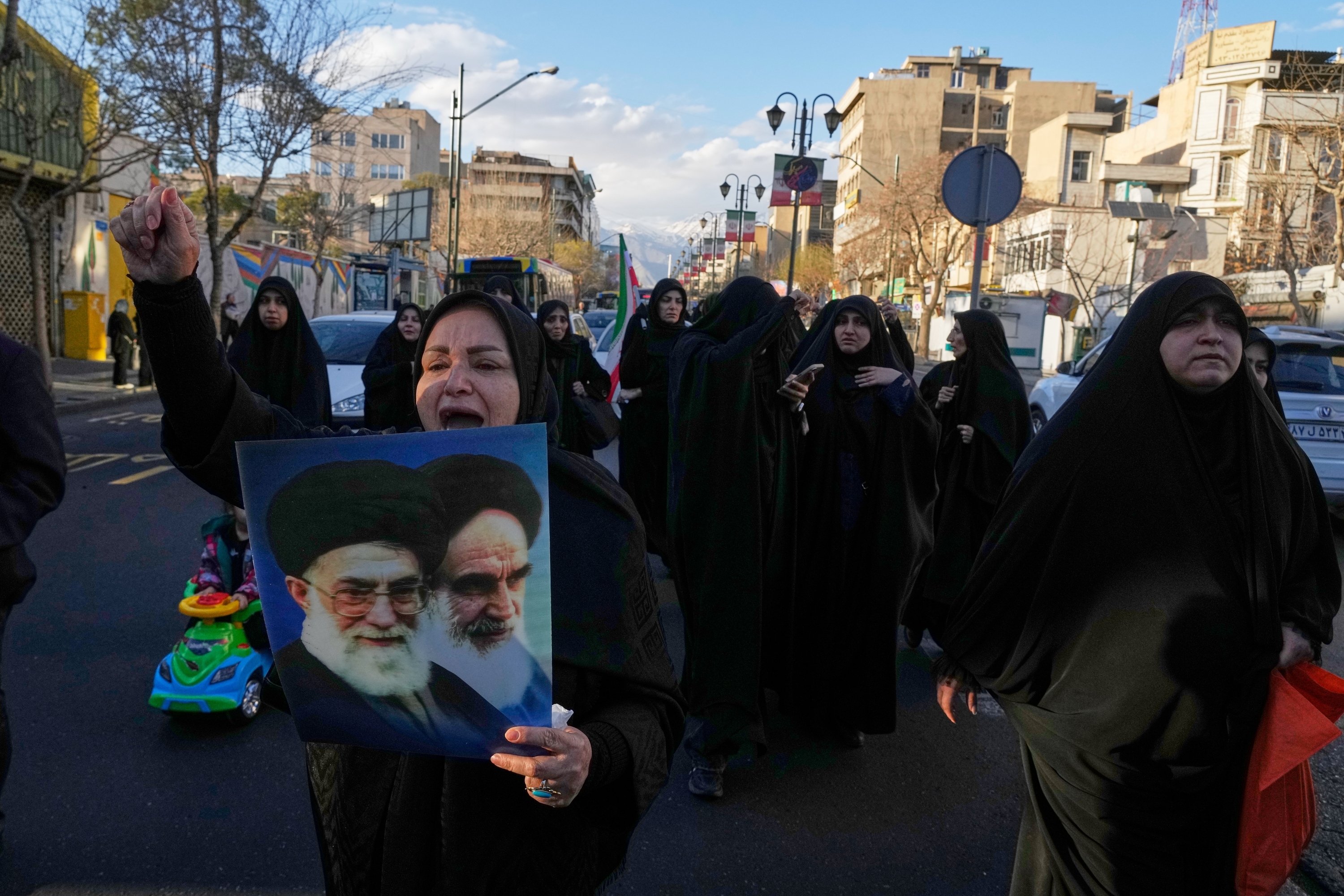
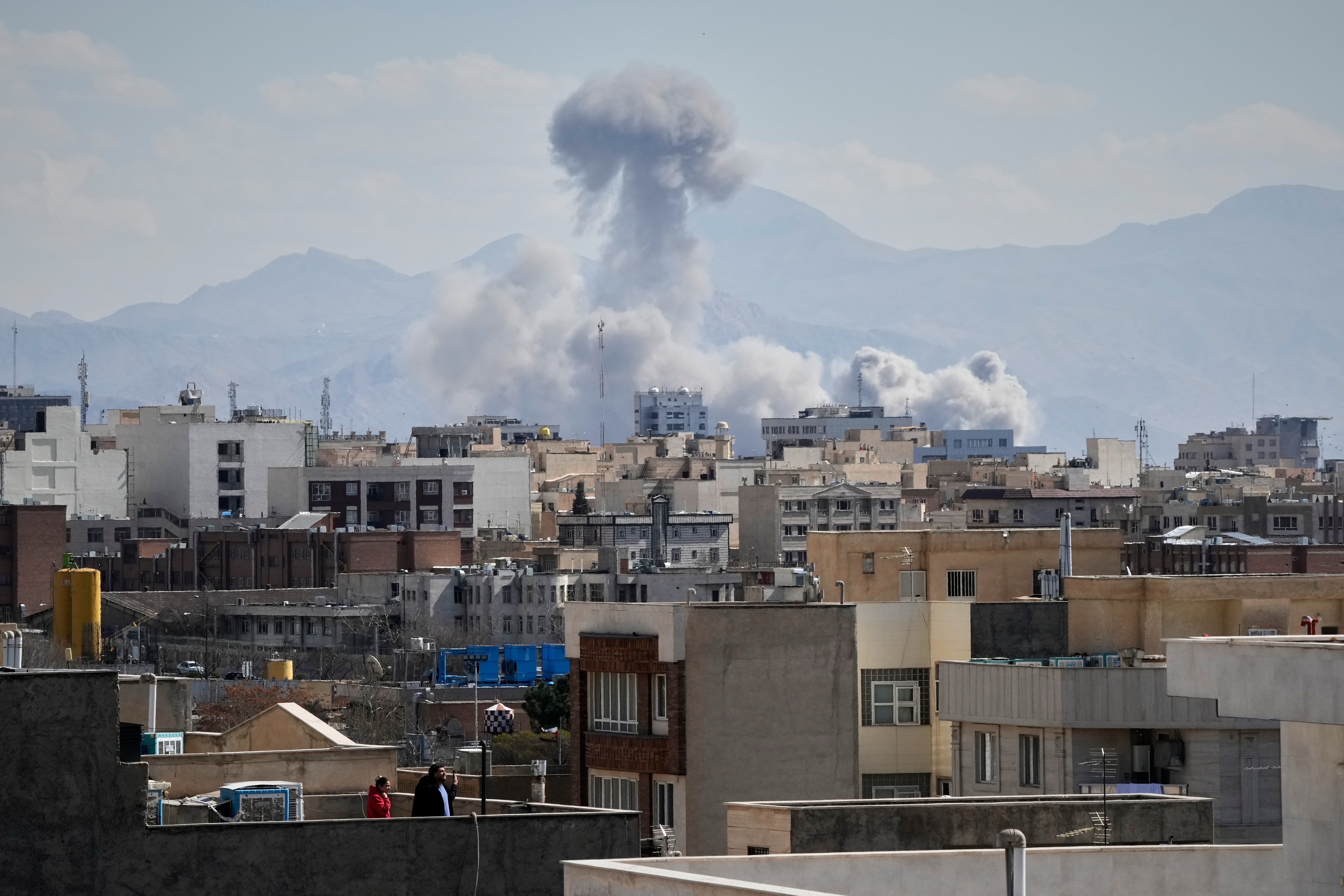
On the morning of February 28, Tehran woke to explosions. Airstrikes by the U.S. and Israel hit multiple sites across the capital, including Bit-e Rahbari – the compound associated with Supreme Leader Ayatollah Ali Khamenei. By midnight on March 1, state media confirmed his death at the age of 86.
For decades, Khamenei’s image had defined the political skyline of Iran. By dawn, that skyline was in smoke.
In videos circulating online, groups of people could be seen cheering from rooftops or honking car horns in brief bursts of celebration. But it is difficult to mark the end of a dictatorship amidst the sound of air raid sirens.
On the same day, in the southern city of Minab, an elementary school for girls was struck. More than 150 young students were killed. The following day, three hospitals were hit.
Iran now stands in an unstable interval, between the end of one man’s rule and the uncertainty of what replaces it; between relief for some and irreparable loss for others.
In January, an internet shutdown erased my country from my phone screen. I wrote down what came next, as I didn't want the memory of those days to be forgotten.
★
Winter in Vilnius is not so much cold as it is long. The light comes late and the city shuts down early. I have grown used to this darkness, to the empty streets, to the sound of snow under my shoes, to a silence that for a migrant woman coming from a city of more than twelve million people, is not a sign of loneliness but of order and calm. But as 2025 was ending, another kind of darkness arrived – the darkness coming out of my home country.
What happened in Iran this January was not just a protest – it was the collapse of communication. A time when an entire country went out of reach and those of us beyond its borders were forced to guess whether our loved ones were alive or dead, free or detained.
The economy ignited the street
For someone who has never lived in Iran, checking the dollar exchange rate every day may seem meaningless. But for Iranians, the exchange rate is a unit of measurement for life itself. In the final days of December 2025, data from price-monitoring websites showed the U.S. dollar reaching around 145,000 tomans. This meant that you will soon become poorer. Rents will rise, medicine will become more scarce, and the value of your income will shrink even further.
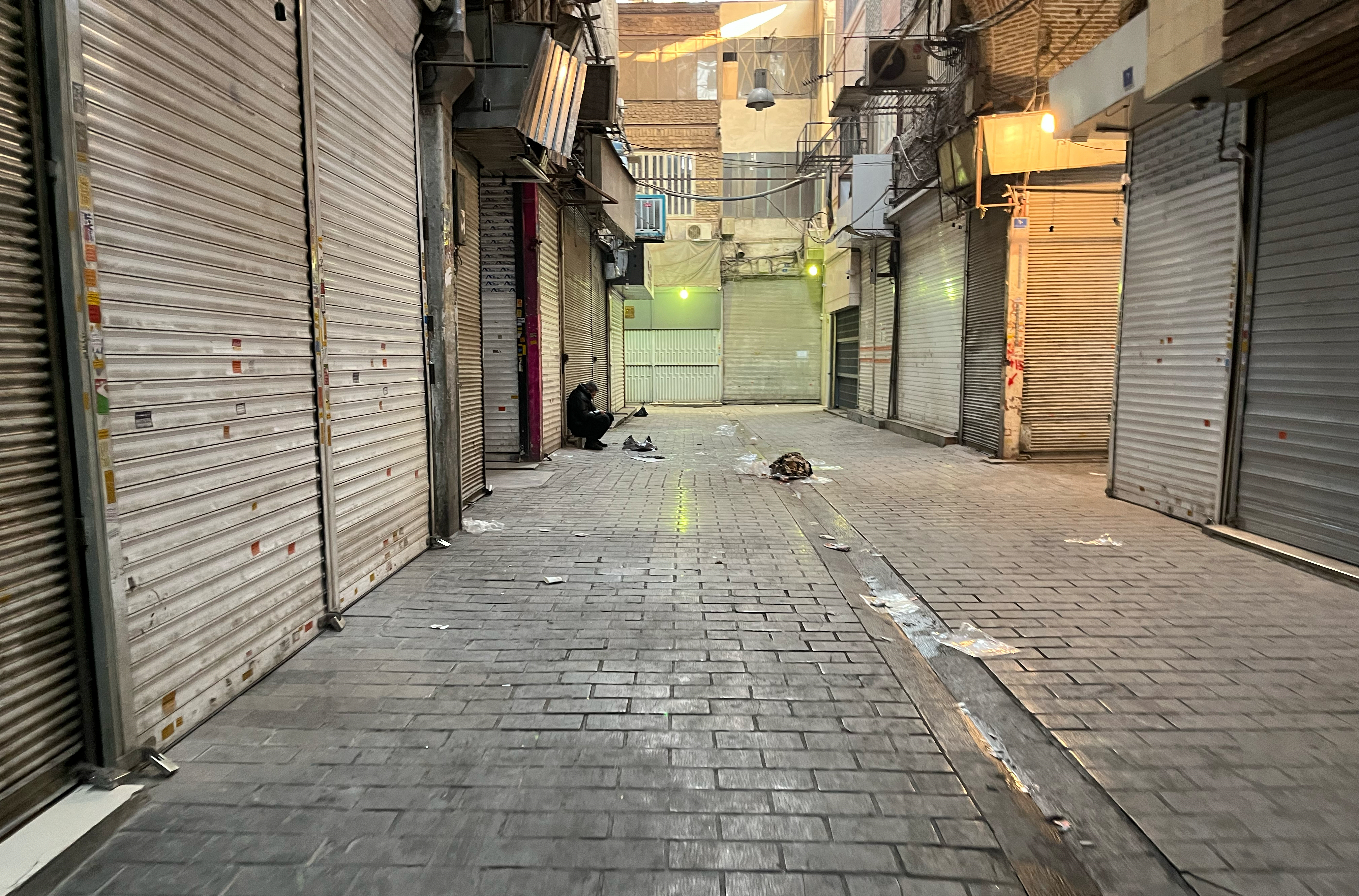
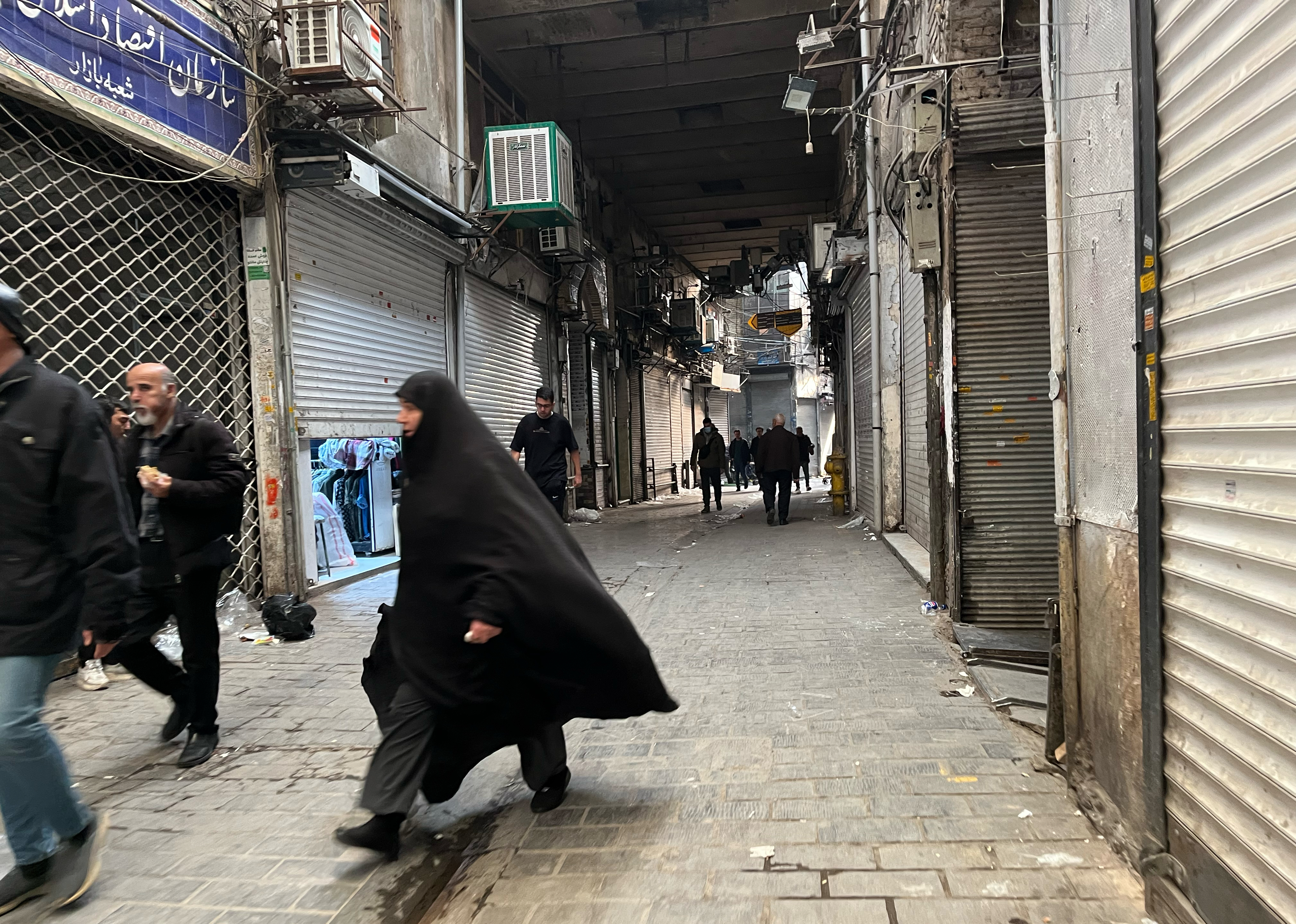
This round of protests did not begin in a political square or at a university. It began around Tehran’s Republic Street, where the Aladdin and Charsou malls, major centers for buying and selling mobile phones and digital goods, are located. Here, changes in the dollar are reflected in prices the very same day, the very same hour.
Soheil, a long-time vendor at Aladdin Mall, recounts those days. I reached him from Vilnius when the connection was finally restored, days later: “When I arrived in the morning, I saw prices had jumped again. If I sold, I wouldn’t be able to restock tomorrow. If I didn’t sell, I’d fall behind on rent. I didn’t pull up the shutter. A few others did the same. Someone said: ‘How long?’ That shout came out of the mall and spilled onto the sidewalk.”
An hour later, someone shouted, “The dollar is 145,000 tomans, how are we supposed to buy stock?” The crowd answered. The protest emerged from the heart of everyday economics – leaderless, unplanned, but in a language everyone understood.
“Whenever the internet is cut, it means something bad has happened or is happening. It means scenarios are about to be constructed that the presence of the internet would prevent.”
From Vilnius, I knew that Tehran functions like a loudspeaker: when the sound rises from Republic Street, other cities understand they are not alone. Soon, the people in other cities joined: Mashhad, the religious capital of Shiism; Qom, the political–religious centre; and then Ahvaz, Sanandaj, Ilam, Rasht and smaller towns.
The government and state media diminished the protests as public hysteria. People said, “The value of our money has collapsed.” Officials responded, “Goods are available; the problem is psychological.” When one senior official said, “There is no problem,” I sat in Vilnius and thought that no sentence could be more infuriating.
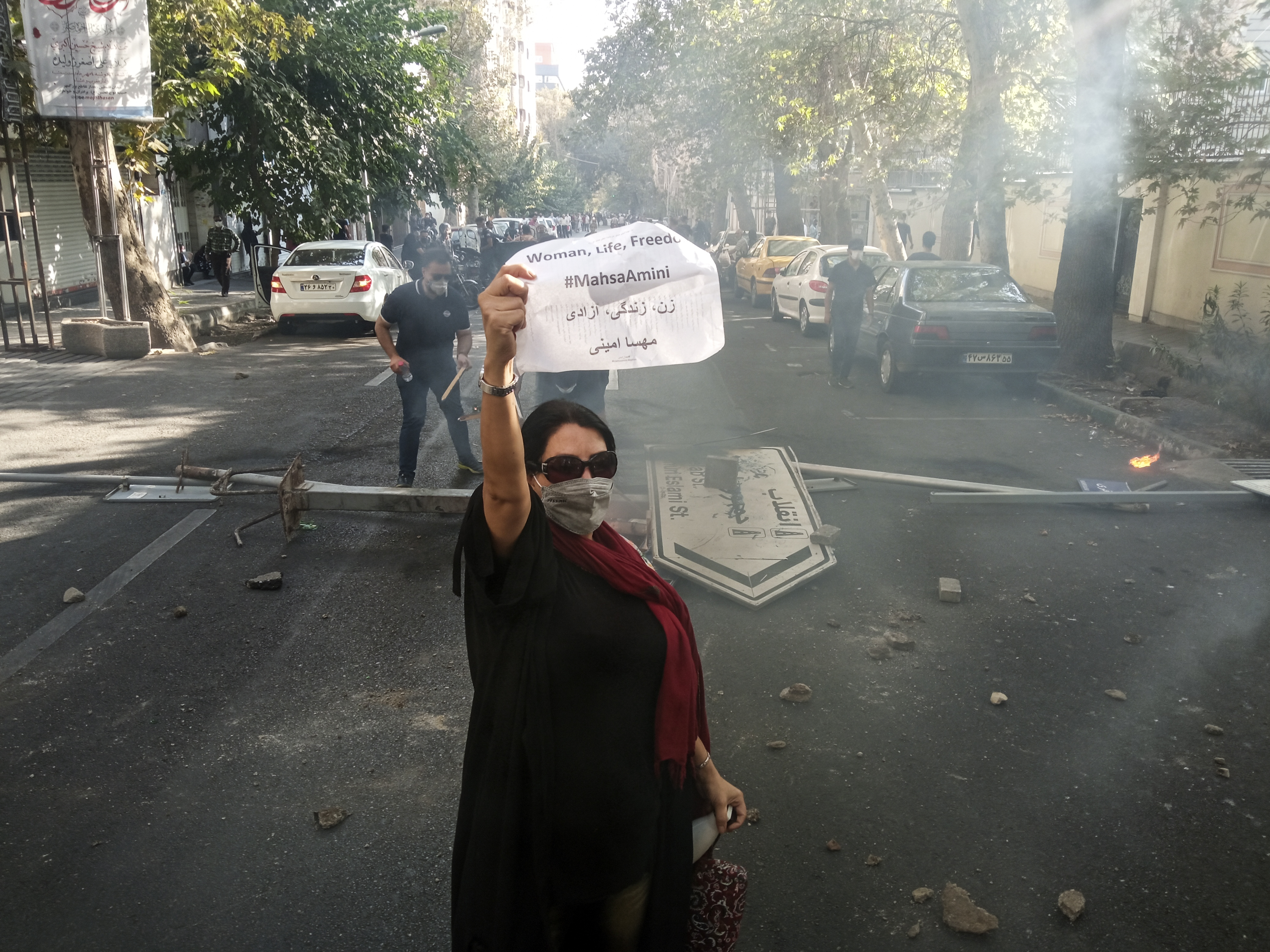
For many, this denial recalled autumn 2022, when the name Mahsa Amini, a woman who died after being detained by the so-called ‘morality police’, became a nationwide cry. In those days, the official media also failed to hear the voices of the street.
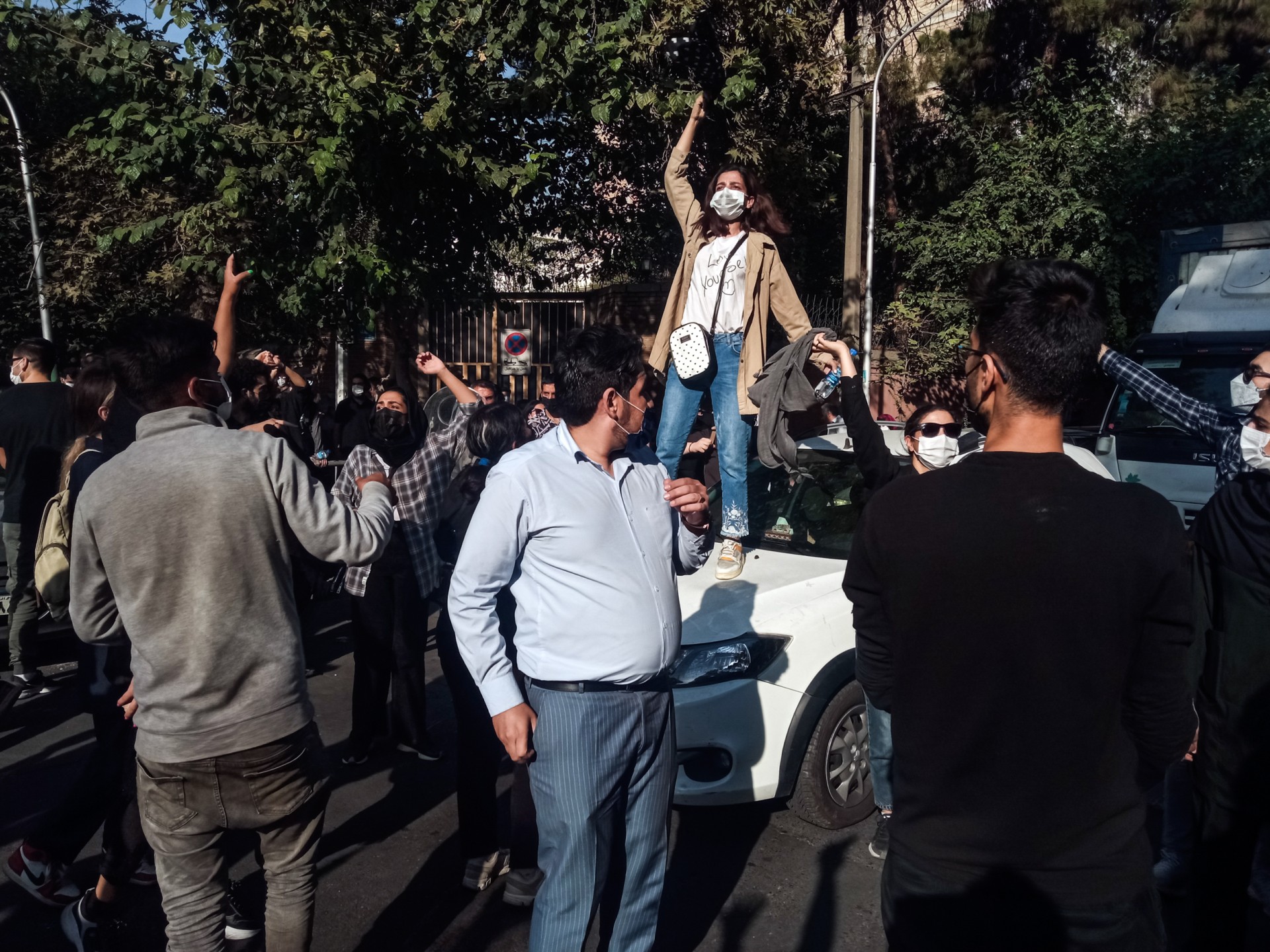
The protests continued throughout the final days of December and the beginning of January. The slogans were no longer only about rising prices. Among all the chants, one singular demand was voiced across Iran: “The regime must go. The people no longer want the Islamic Republic.”
January 6, 2026. The 8 pm call
Protests continued across Iran until January 6, when Reza Pahlavi, the son of Iran’s last Shah and representative of a protest group based in the U.S., issued a call urging people to take to the streets at 8 pm for two consecutive nights (January 8-9). For me, one word stood out: “night.”
In my own lived experience of protest in Iran, from the days of the Green Movement from 2009-2022, the pattern was usually streets by day and home by night. In a country where repression has a particular relationship with darkness, night gives the advantage to security forces. I asked myself: “Why night?” I still don’t know the answer.
Later, Maryam, a university friend who joined the protests during the Women, Life, Freedom movement in 2022, wrote to me from Tehran: “I wish the call hadn’t been for nighttime. I wish face-to-face visibility might have made some hands tremble on the trigger.”
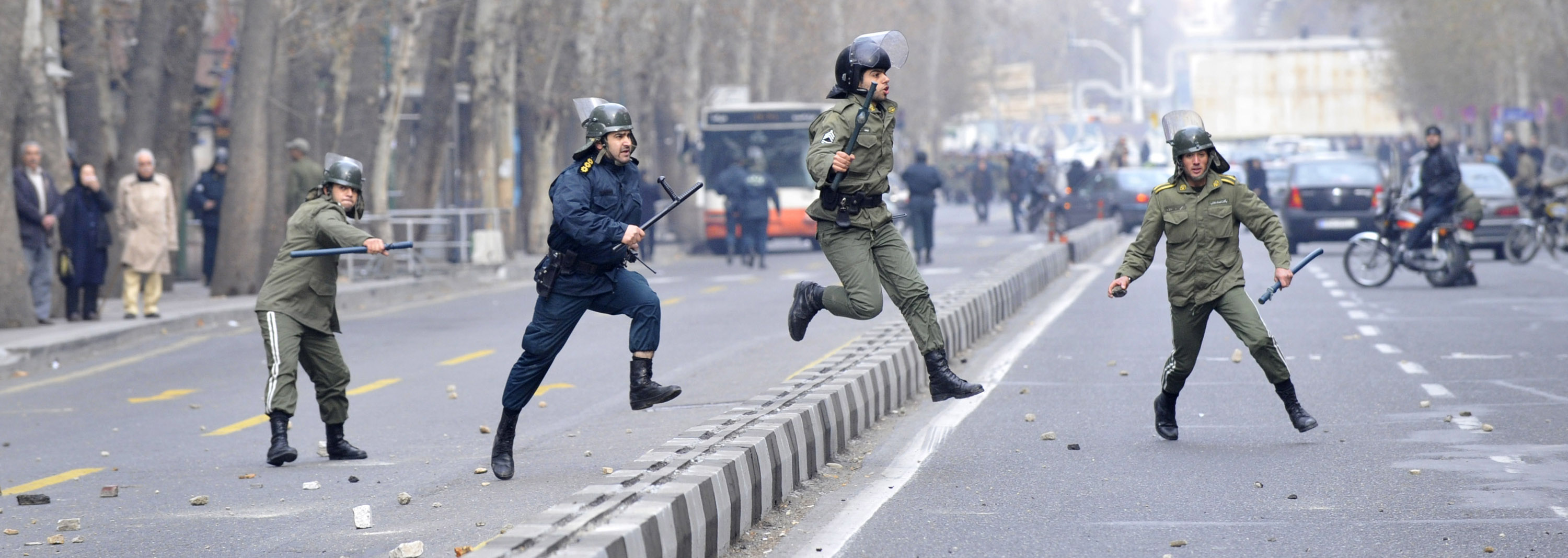
As the protests intensified, U.S. President Donald Trump said he had “heard the voice of the [Iranian] people.” For some inside the country, these words were translated into hope. Maybe the world will look at us this time. Support us. Do something.
For those of us outside, the message created a different kind of anxiety: If the world looks, will it act? And if it doesn’t, who will pay the cost? The help that was promised didn’t arrive.
January 8, 2026. Total internet shutdown
On the evening of January 8, the internet in Iran went dark – not a temporary disruption, but a total shutdown. News turned into speculation. Cities and families were cut off from one another, and those outside the country from our loved ones. Inside my apartment in Vilnius, my phone went into a repetitive motion of on, off, refresh.
When the protests began, it had only been two weeks since Nasim arrived in Vilnius. Migration was not new to her; she had previously lived in Turkey and that experience made her take the loss of communication more seriously than others. “I had experienced an internet shutdown before during a twelve-day war, but there I could at least talk to my family on the phone. This time, even phone calls stopped working.”
At the same time the protests began, she had traveled to Italy to visit relatives. The trip had started like any ordinary family gathering – photos, food, laughter – but at a certain point, everything became ‘phone in hand’. “My cousin said: Don’t worry, maybe at the end of this trip we won’t pack our suitcases to return to our homes in Europe; maybe we’ll all go back to Iran together.”
Nasim held onto that thought. “I thought maybe this time it could really happen. I knew people who were not Pahlavi supporters, but they were saying that this time they’ll go. Before that, the protests had been scattered. After the [Pahlavi’s] call, it felt like there was a set appointment, and many people were holding onto that.”
But as hope advanced, experience did not retreat. Nasim already knew what night in the streets of Iran means and how the government responds: “I knew there would be repression. Until the internet was cut, videos were coming in and showing waves of people. That day, I was talking to my mother in Iran; she had gone out. I was in contact with her until eight o’clock. I was in the middle of speaking with my mother when the internet was cut.”
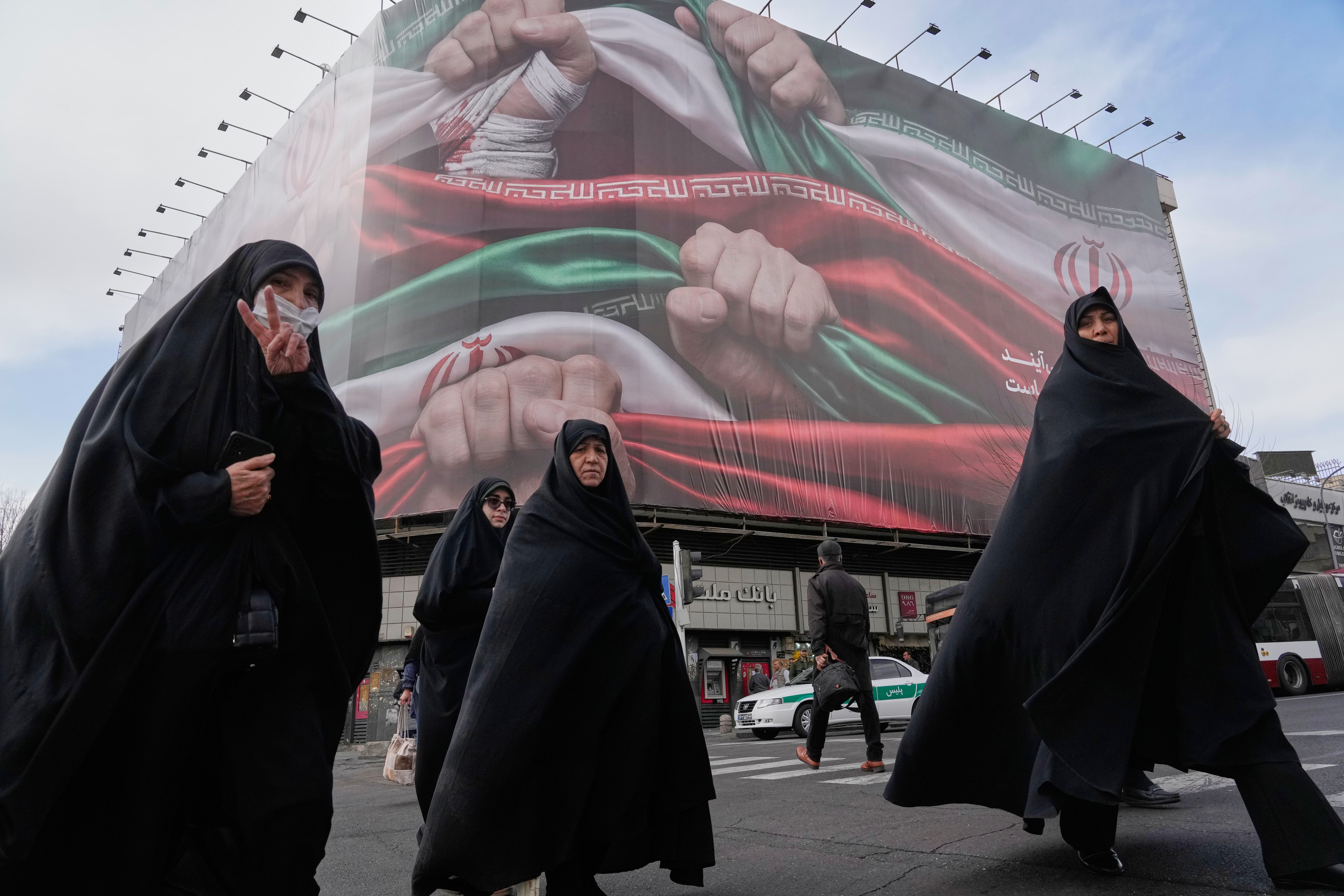
“I started sending text messages to everyone to see if they would be delivered,” she continued. “Nothing. There was nothing I could do. Several days of total silence. It was terrifying. On one side, exile in Vilnius, on the other side, every connection cut.”
For Nasim, internet shutdown signals a clear message: “Whenever the internet is cut, it means something bad has happened or is happening. It means scenarios are about to be constructed that the presence of the internet would prevent.”
January 9, 2026. The morning after the massacre
The following morning, the internet was still out but videos started to appear. One of them was from Fardis, Karaj, 45 mins drive from Tehran: at least seven motionless bodies lying on the street. Beneath that same video, the comments were filled with “It’s fake” and “It’s from somewhere else”. I did not lower the volume. I watched and cried.
In accounts from the nights of January 8-9, one image repeats itself: official help either didn’t arrive or it arrived too late. People carried the wounded themselves–on blankets, on shop doors, or in the back seats of cars. Decisions were made in the dark:
“Don’t take him to the hospital. They’ll arrest him.”
“If we don’t take him, he’ll die.”
Sara*, a senior nurse at one of Tehran’s hospitals, says that first of all: “Do not write the name of the hospital.” She speaks of patients wounded by live ammunition, of a morgue that reached capacity, and of a child whose face and neck were covered in pellets.
She says the hospital no longer ran in its usual rhythm: “The departments were crowded. We were admitting patients with live-bullet or pellet wounds even in the reception hallway. But the chaos wasn’t only because of the wounded.”
“We were admitting patients with live-bullet or pellet wounds even in the reception hallway.”
According to her, security forces entered the building, stood in the corridors, asking questions loudly. Their presence disrupted medical care: “We needed focus. Many patients were in critical condition and every second was vital. Every time there was the sound of arguing or fast footsteps, patients would startle and families were afraid. They kept asking: What happens if the name is registered? What happens if they find out where this wound came from?”
Her colleague’s account describes the same disruption but more severe: “The government forces entered the wards, looking for names and signs. Their presence alone was enough to leave treatment unfinished. They were aggressive with patients and companions. She saw them pull an IV from a patient’s hand; blood splashed onto the wall. They took him with them and kicked his mother as she begged.”
Alongside the wounded, medical staff also became targets of pressure. According to reports compiled by HRANA (Human Rights Activists News Agency, an exiled Iranian NGO based in the U.S.) and further confirmations from the UN Special Rapporteur, dozens of doctors, nurses, and medical personnel were arrested in the days and weeks following the protests.
The death and detention of children and teens
When the count reaches children, the hand trembles. Official figures cited by state-linked sources acknowledged that over 160 children and adolescents were killed during the protests. Independent human rights groups, including Center for Human Rights in Iran (CHRI) state that the number exceeds 200.
The widespread detention of children and teenagers was also reported. HRANA has stated that hundreds to thousands of individuals under the age of 18 were arrested during the protests. In many cases, access to lawyers, contact with families, and fair legal proceedings have been limited or impossible. The charges are often security-related and vague.
“Over 160 children and adolescents were killed during the protests.”
More alarming than detention is the risk of heavy sentences, including the execution of teenagers. Reports from HRANA and other human rights organisations indicate that for several defendants under 18, cases are proceeding under charges that, if a final verdict is issued, could lead to irreversible punishments. However, under international obligations, the execution of individuals for crimes committed in childhood is prohibited.
Discrepancies in numbers are not accidental. They are affected by internet shutdowns; the arrest of witnesses; threats against families; the relocation of bodies and unregistered cases. This is why HRANA publishes figures under the labels ‘confirmed’ and ‘under review,’ to show that what we know is only part of the reality.
When fire and bullets fell at once in Rasht city
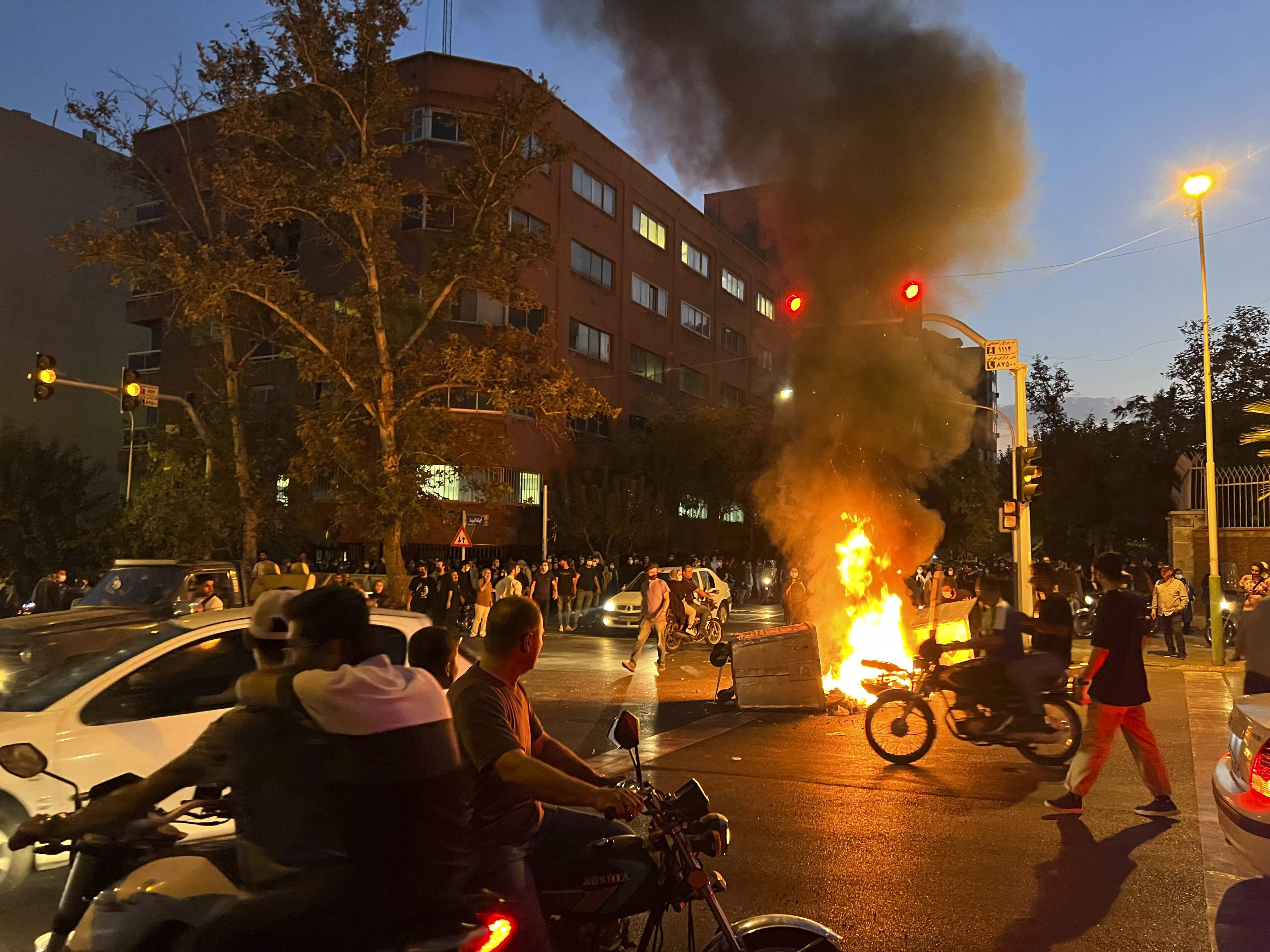
Rasht, a city in northern Iran near the Caspian Sea, witnessed one of the most brutal crackdowns of the nationwide protests. According to eyewitness accounts and reports by human rights organisations, security forces fired live ammunition directly into the crowd. On the night of January 8, Rasht’s bazaar, where the protest took place, became a site of fire. Parts of the bazaar caught fire and thick smoke curled through the narrow alleyways. Witnesses say fire trucks moved in to help and contain the blaze but their route was blocked. Some accounts suggest that security forces not only prevented emergency response, but also fired at firefighters who tried to get closer.
Seeing images of Rasht evoked personal memories. During my first autumn in Vilnius, I missed Rasht with a kind of madness: the relentless rain, the streets that smell of damp, a city that is calm and grey (like Vilnius) and whose life moves with dance through bazaars and alleyways. In a strange way, these two cities are alike. I am left thinking how a city that, in my mind, is defined by softness and rain has now been buried under smoke and the sound of gunfire.
Video posted on social media showed crowds protesting and fires raging in northeastern Iran as anti-government protests spread https://t.co/JSMyLkM2Oz pic.twitter.com/iLfiuEJ9EO
— Reuters (@Reuters) January 11, 2026
But fear did not remain in the streets that night – it entered homes as well. I asked Hesam*, a city local, about Rasht that night. He shared that some families, in fear of arrest by the security forces and that their loved one’s body would not be returned, buried their dead in secret on the same night. Not in cemeteries, but in the gardens of their homes. In haste, silence and without ritual.
Now, whenever a flower rises from a garden, some people pause. They don’t know what lies beneath that soil. Perhaps it’s the smile of a loved one buried without a name, gravestone or public mourning. This is the bitterest image of that night: when death becomes so unsafe that even the earth must keep secrets.
The aftershock
In January, Kahrizak, a name already wounded in Iran’s collective memory, resurfaced as the final destination of the search for lost relatives. After the bloody nights of repression, families went one by one to the Kahrizak Legal Medicine Centre. Accounts say that from the very first days, lines began to form: families looking for a ‘sign’, a mole, a ring, an old scar. Something that would say this body is the one they have been missing.
The first videos from Kahrizak, widely reshared on social media, showed hospital halls under cold fluorescent light, black body bags placed on the floor or on stretchers, and families with frozen faces, eyes fixed on every movement.
In some videos, a monitor could be seen displaying images of bodies for identification – from newborns and children, to teenagers and adults. Families, one after another, stared at the screen, hoping to recognise their loved one by a face, piece of clothing, or a small defining mark. In other videos, people opened the bags one by one. Zippers rose and each time the silence grew heavier. Then a scream would erupt, not a scream of protest, but a scream of collapse, when the last hope that a loved one might be alive dissolved at the sight of a lifeless face.
Accounts from Kahrizak say families waited for hours, without clear answers or any defined process. Some were allowed to open a bag and others were not. The absence of order, transparent information, schedule or answers, was all part of the suffering.
One of the stories that surfaced was about a young protester who had almost been counted among the dead. In my search, I could not find his name or any trace of him. Had he run? Was he hiding, or had he collapsed? According to the report from Iran Human Rights Documentation Center, after being wounded, he remained motionless for three days inside a body-transport bag – not because he was unconscious, but out of fear. Fear that if he moved, his being alive would be noticed and they would finish him right there. Fear had made him resemble a corpse so that they would not turn him into one.
“Fear had made him resemble a corpse so that they would not turn him into one.”
The numbers war
The first estimate of the death toll came from Iran International (Persian-language digital news channel based in London), not the government. The media outlet operating outside Iran with access to documents and field sources said: 12,000. At the time of publishing, the internet was still down. I saw that number on my phone screen in Vilnius and, for a few seconds, I didn’t know what to do. My mind pushed back.
The images of Fardis, Rasht, and the dark streets were still in front of my eyes. We still didn’t know how many other cities had become like that overnight. There was no other news, only this number, landing like a hammer blow. We didn’t know whether it was an exaggeration or only the tip of the iceberg.
When connections returned sporadically, the government finally gave their number. Smaller, more controlled: 3,117. I laughed a nervous laugh. This was the number meant to close the file and the number that had to be said so they could say: “We will investigate,” “It was unrest,” “It’s over.” But to me, even if it was true, it meant over 3,000 grieving homes, and I knew the story was far larger than that.
Then it was HRANA’s turn: slowly, relentlessly, with names and dates and cities. HRANA’s numbers rose: 4,000, 5,000, then more. The number became an image: a small city. A map. A geography. I was still trying to absorb it when investigative reports began to surface – human rights activists, medical networks, and morgues all saying the real figure could be in the tens of thousands. And Iran International returned, citing documents indicating that more than 36,500 had been killed.
I no longer knew which number to believe, not because I distrusted the media, but because of the scale of the catastrophe. This is not only a war over figures; it is a war over the possibility of counting. They cut the internet. They frightened families. They arrested witnesses. They buried bodies at night. Some bodies were never returned.
And this is where I, as a journalist, come undone. Every number arrives late. Every number is a delay between death and knowing. The government gives a number to close the file. Human rights organisations give numbers to keep the file open. But the people who never received a body, or who received one but were denied the right to mourn, say something that cannot be numbered: “They killed far more than this.”
Silence inside, shouting outside
On January 10, the first gathering of Iranians was held in Vilnius Cathedral Square. Samaneh, who has lived in Vilnius for years, couldn't sit still when the internet was cut in Iran. “I felt that staying at home was pointless. I had to do something.”
Her local Iranian friends told her that in Lithuania, not even five people would show up for a protest. But she told herself: “Even if I’m the only one, I’ll go and stand there.”
She first applied for a permit for 15 people, but an email arrived saying that because she did not have permanent residency, she could not apply. She called the municipality and explained, “In my country, they are killing people. The only thing I can do is be their voice. I can’t ask someone else to apply for a permit on my behalf; the Islamic Republic could cause trouble for them.”
In the end, her husband Amir, along with another Iranian, went to the municipality and obtained the permit for 30 people.
At the first gathering, the number of Iranians who came was more than anticipated. It was as though no one wanted to be alone that day and the weekly gatherings continued after that. In the cold winter, Vilnius, a city that carries the wounds of Russia's full-scale invasion of Ukraine on its own body, became a point of retelling the Iranian people’s story.
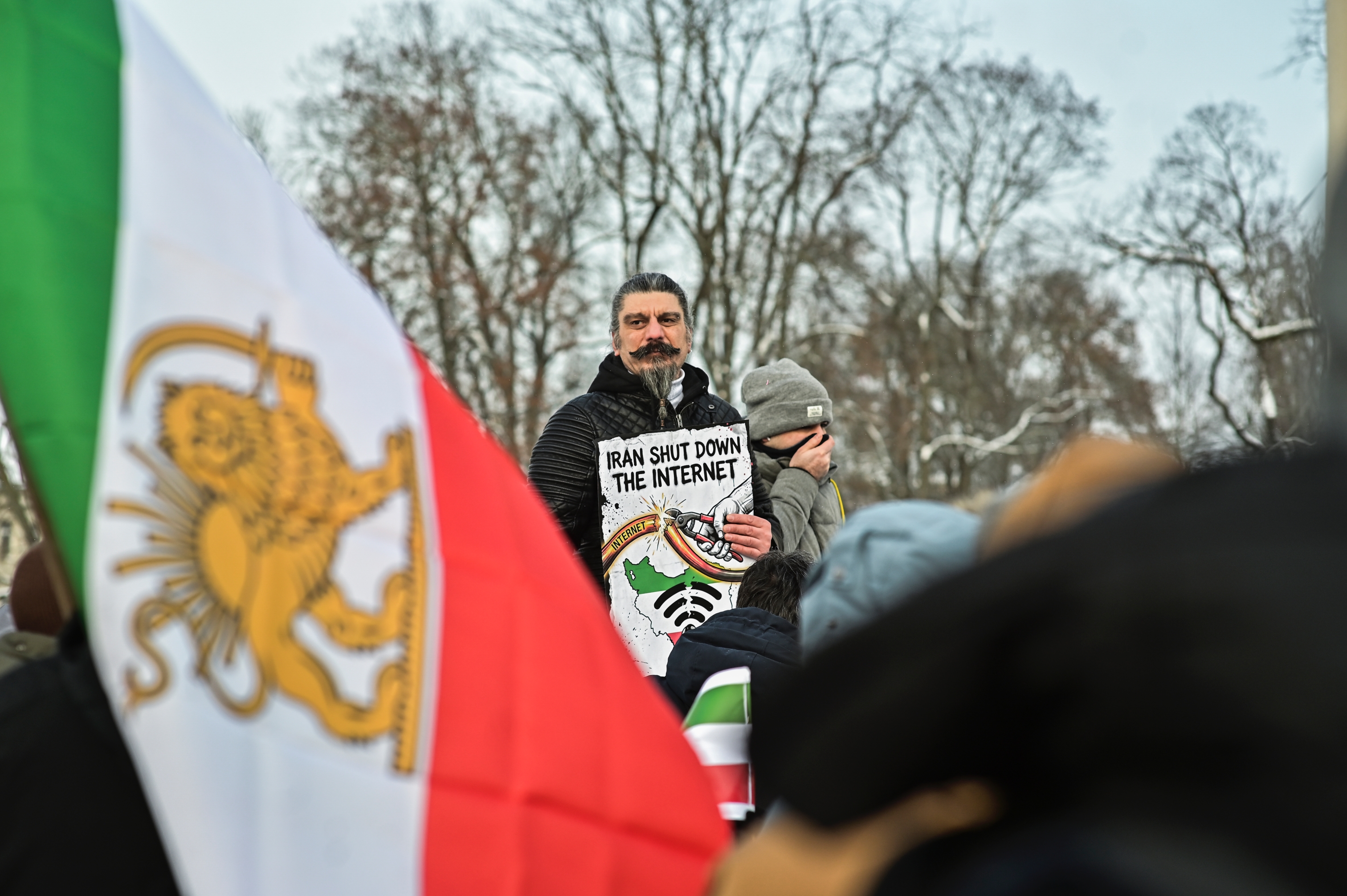
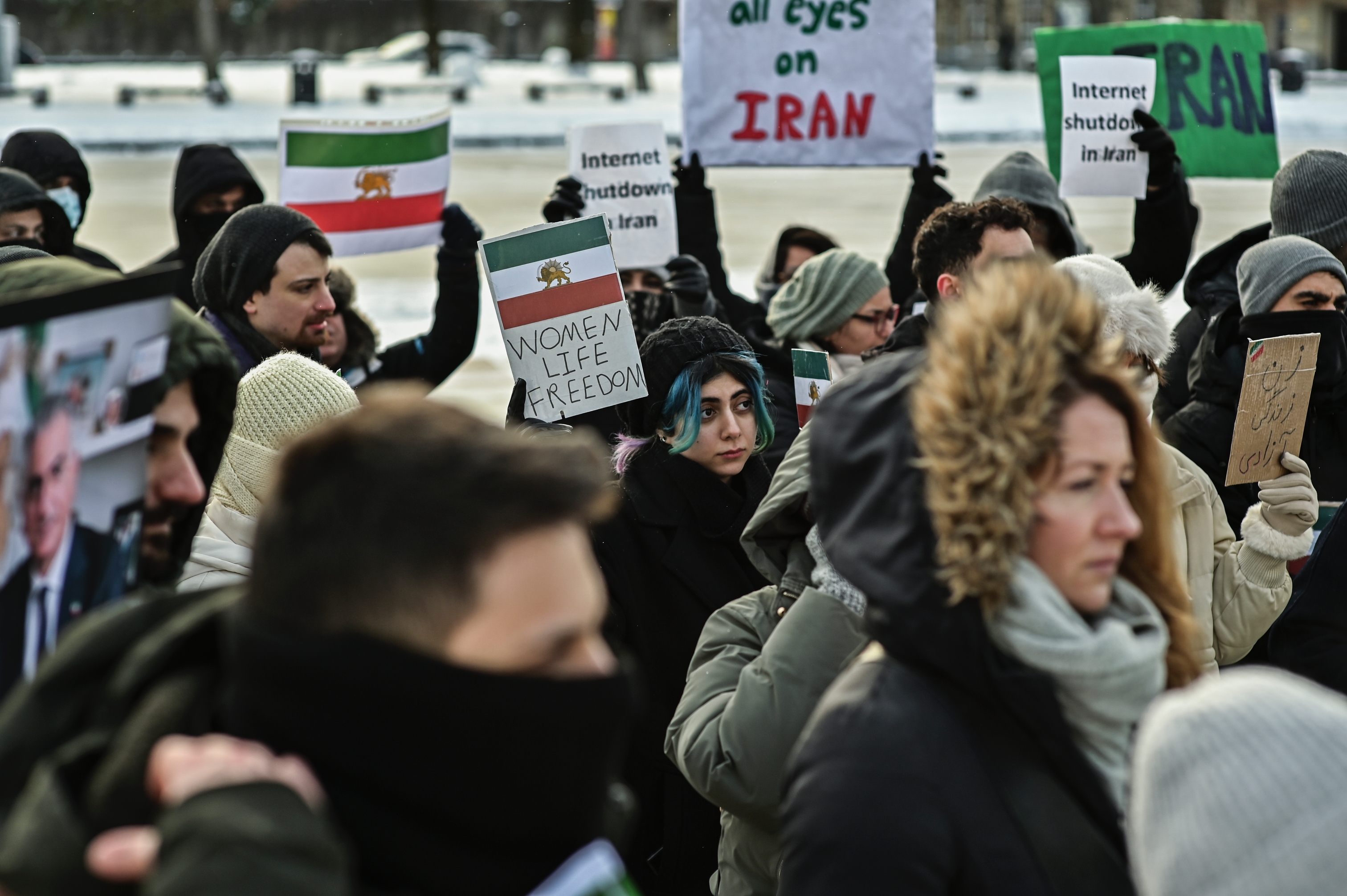
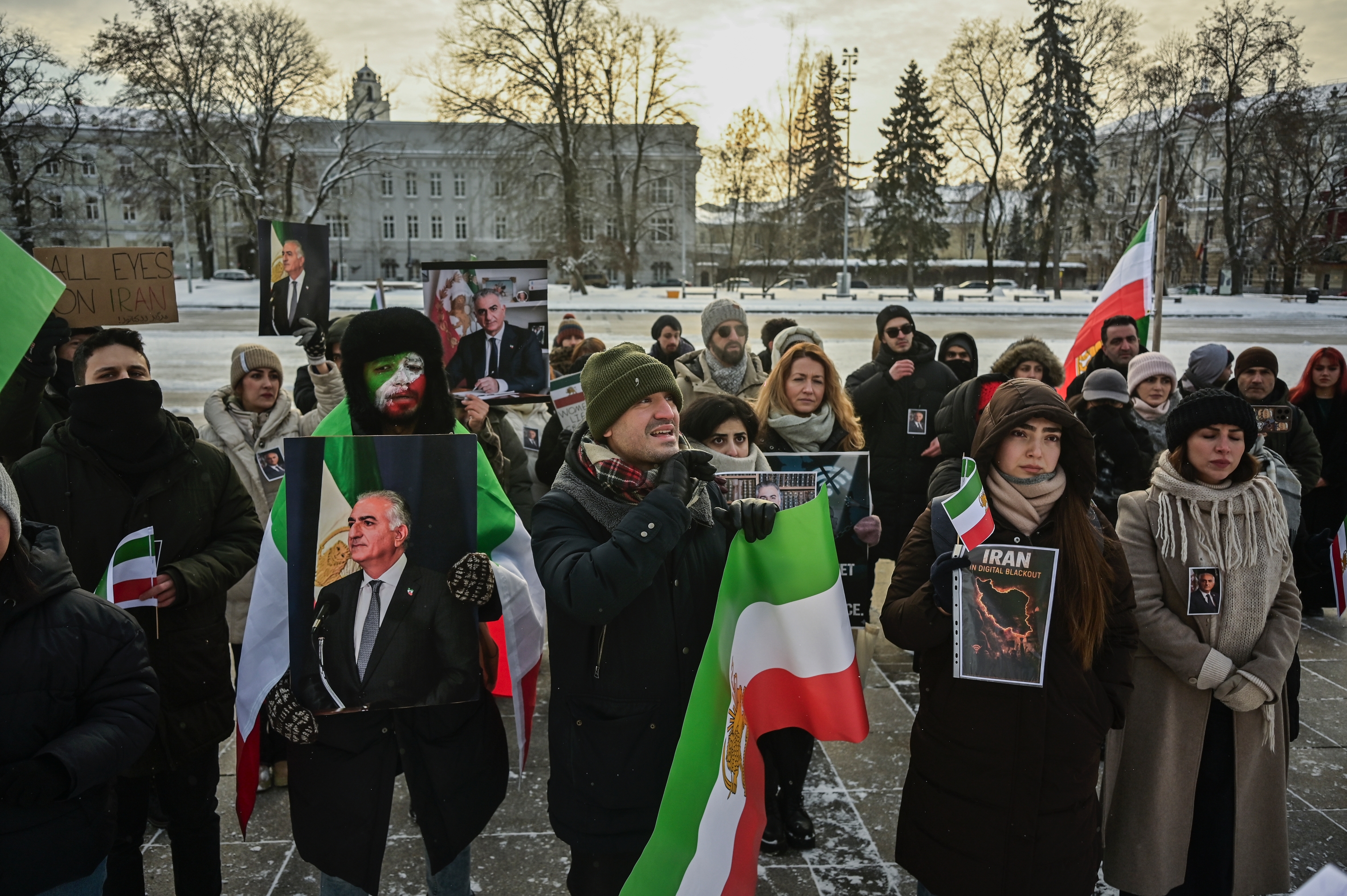
Samaneh remembers that on the first day, people came and said they were glad someone was standing here. A man who had just arrived in Lithuania told her that he had wanted to go to another European country to protest. When he saw the poster for the Vilnius gathering, he said it felt like giving a glass of water to someone who was thirsty.
Samaneh’s brother, who is in Iran, had spoken about the first two nights: how he had twisted his ankle and taken shelter behind a car after seeing government forces firing. “My brother was shaking with fear. He remembered how three men with guns came and stood over some wounded people a little further away and said, ‘shoot them in the head, if they’re alive, let them die.’” After that scene, he said he would never return to an ordinary life.”
“I know that whatever pressure I feel here, people inside Iran have experienced it many times over”, Samaneh recalled.
“Many Iranians understand that whatever future emerges, it will not be delivered by airstrikes or promises from abroad.”
Samaneh’s demand is clear. She wants a Lithuanian official to stand beside them and say: I understand you. “Lithuania was among the first EU countries to designate the Islamic Revolutionary Guard Corps as a terrorist organisation. If they know this, they must support us. They must carry this voice to the Baltic countries.”
A grief that won't be tamed
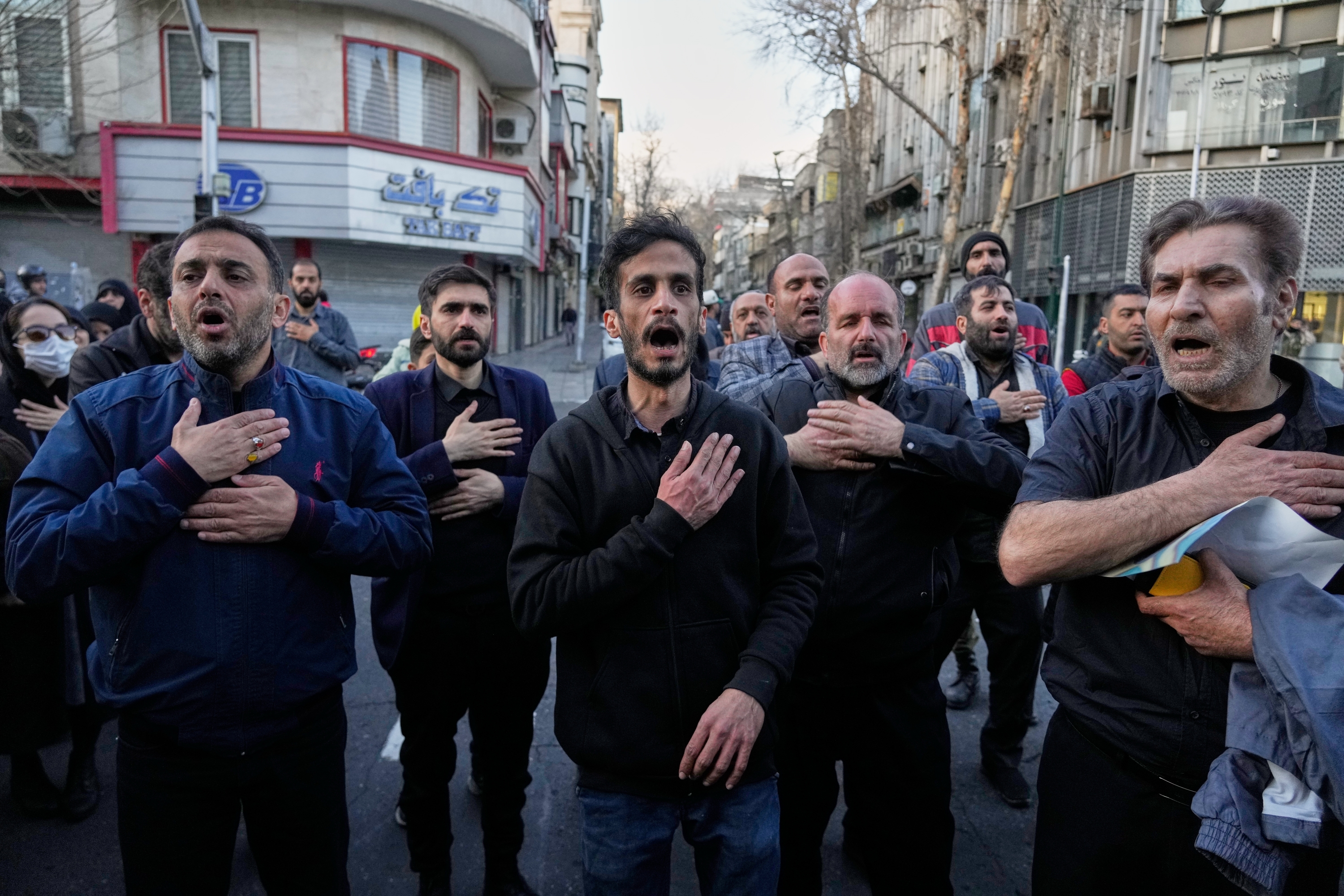
In Iran, grief was not only expressed by crying, because crying was no longer enough. When the number of bodies exceeds the capacity of tears, the body moves ahead. Feet pound the ground, hands rise, voices break. In some ceremonies, Iranian people sang, beat the Persian daf drum (a traditional Iranian frame drum often used in ritual and Sufi music) and danced – not out of joy but in a frenzy.
When the government restricted even the permitted forms of mourning, bodies wrote their own law. They did this for the young. For those whose lives remained unfinished. At the memorials, they brought a wedding dress for a girl whose wedding was two weeks away but had been brutally killed with live ammunition. They did it for the girls who would never wear a wedding dress and boys who had not yet had the chance to experience love. Survivors held birthdays beside graves: they lit candles, cut the cake and called out the birth date. In some places, they held a ‘wedding’ with music, clapping and movement like dance.
For the government, these scenes were more dangerous than slogans. Slogans can be cut off and voices can be silenced, but bodies cannot. The message was clear: you can seize the streets, cut the internet, manipulate the numbers, but you cannot tell us how to mourn. You cannot confiscate meaning.
★
What happened in January cannot be softened by gentle language. People were shot in the streets. The violence carried into prisons, through torture, forced confessions and executions. Repression was already total before the war began.
Khamenei is gone. The Islamic Republic remains. War continues. Prisons full of political prisoners remain. Many Iranians understand that whatever future emerges, it will not be delivered by airstrikes or promises from abroad. The future requires another reckoning, this time not only for freedom, but for a country that must rebuild itself after repression and fire.
*Names have been changed to protect their identity.
Indrė Kiršaitė helped with editing the story, Sigita Vegytė selected photos for the story.