
The Career-driven Women Shaping Baghdad’s Future
After decades of war, Iraqi women are working to take their lives back. While only 1 out of 10 women in the country are employed, the boom of Iraq’s private sector, and the determination of young women, are challenging social norms and setting the stage for women’s rights in Iraq. The government just needs to keep up.
A note from the author:
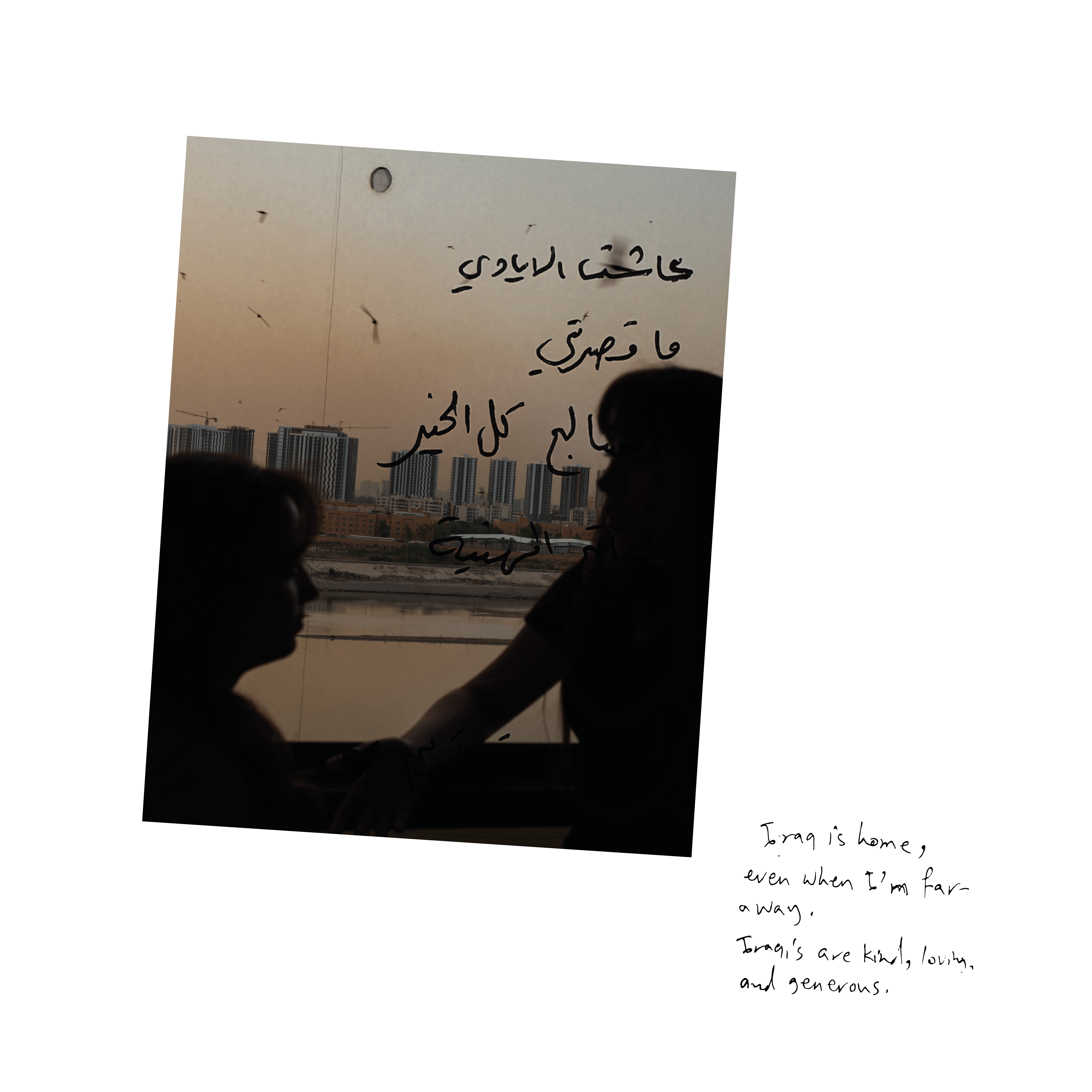
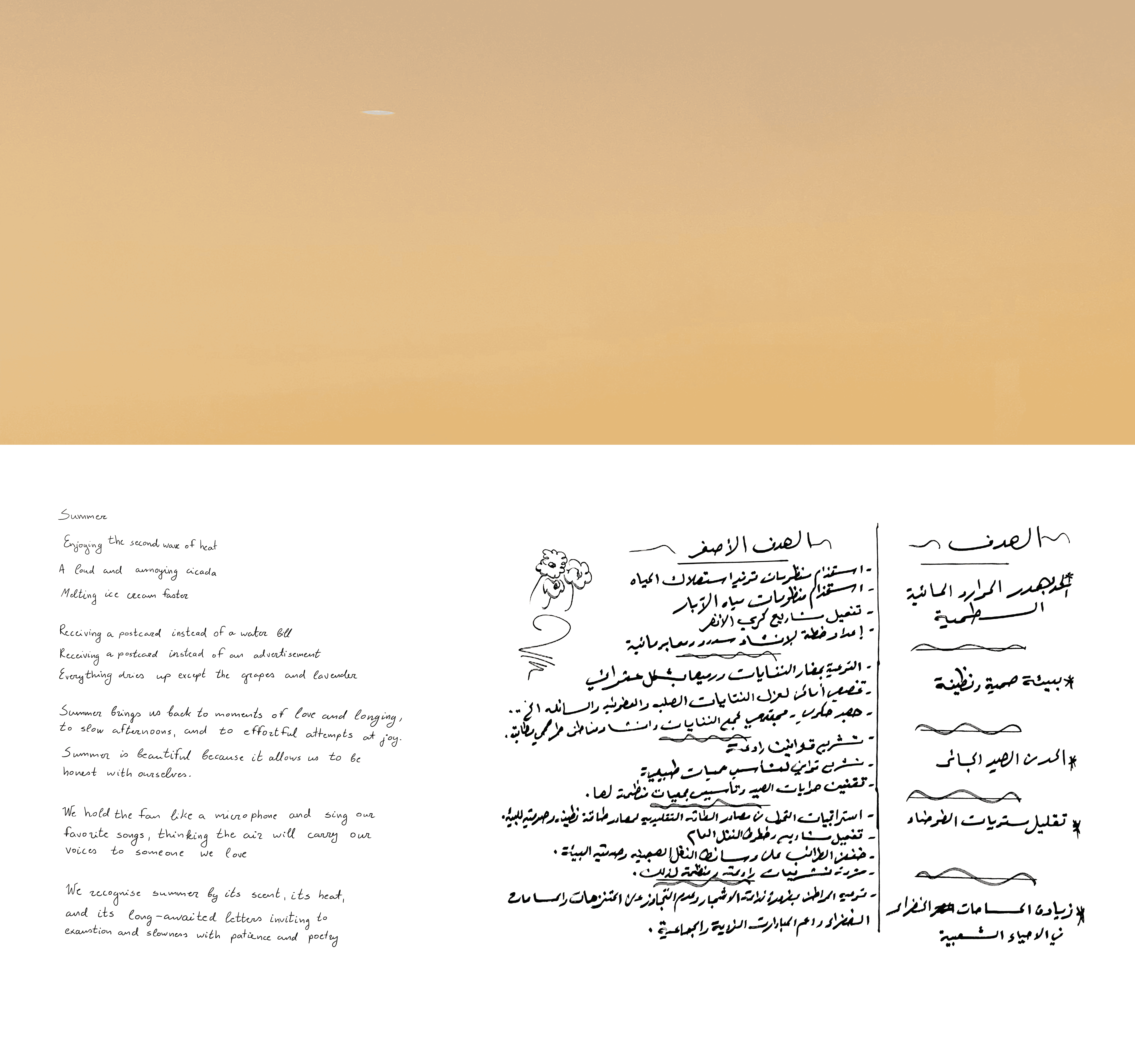
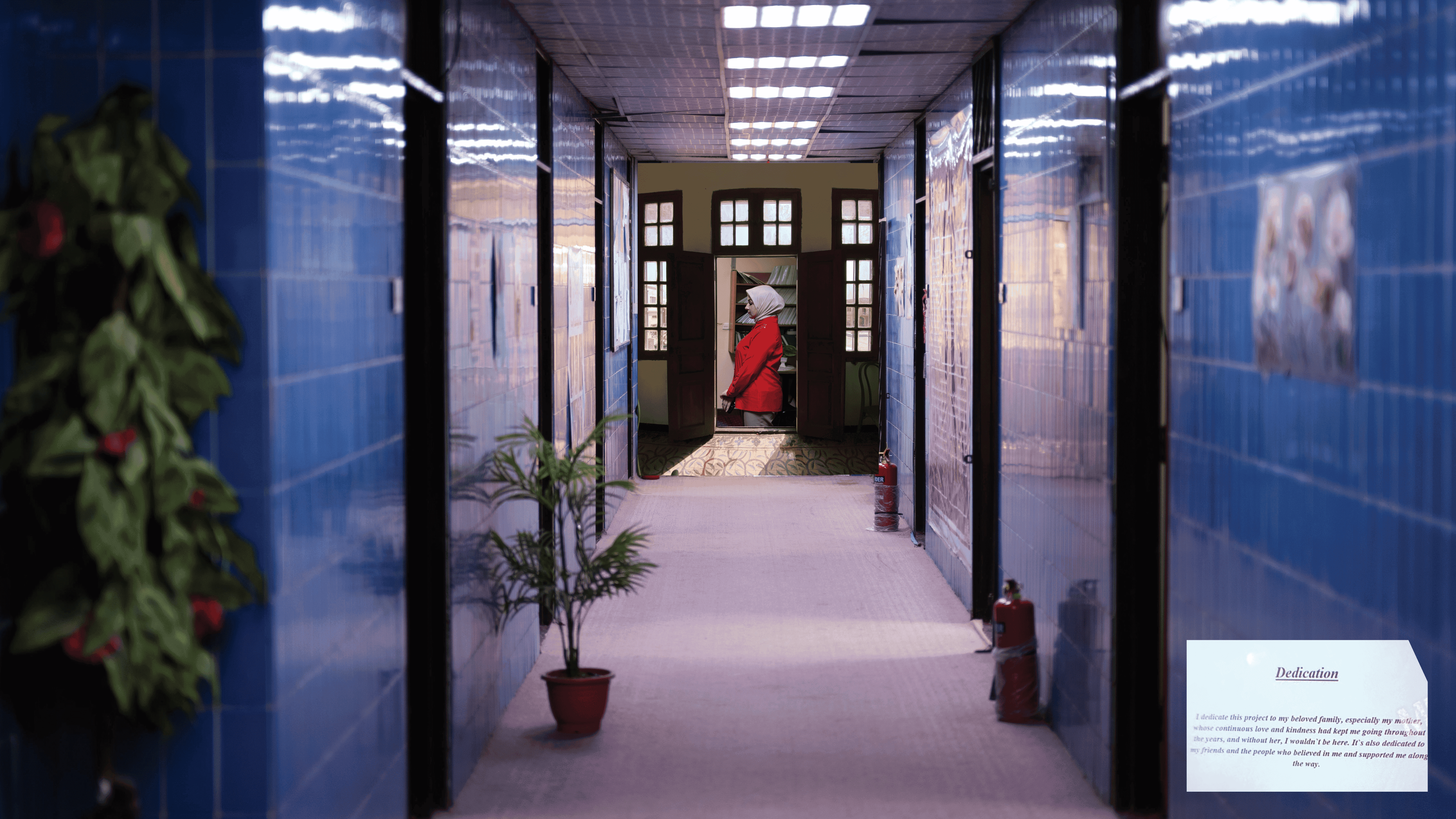
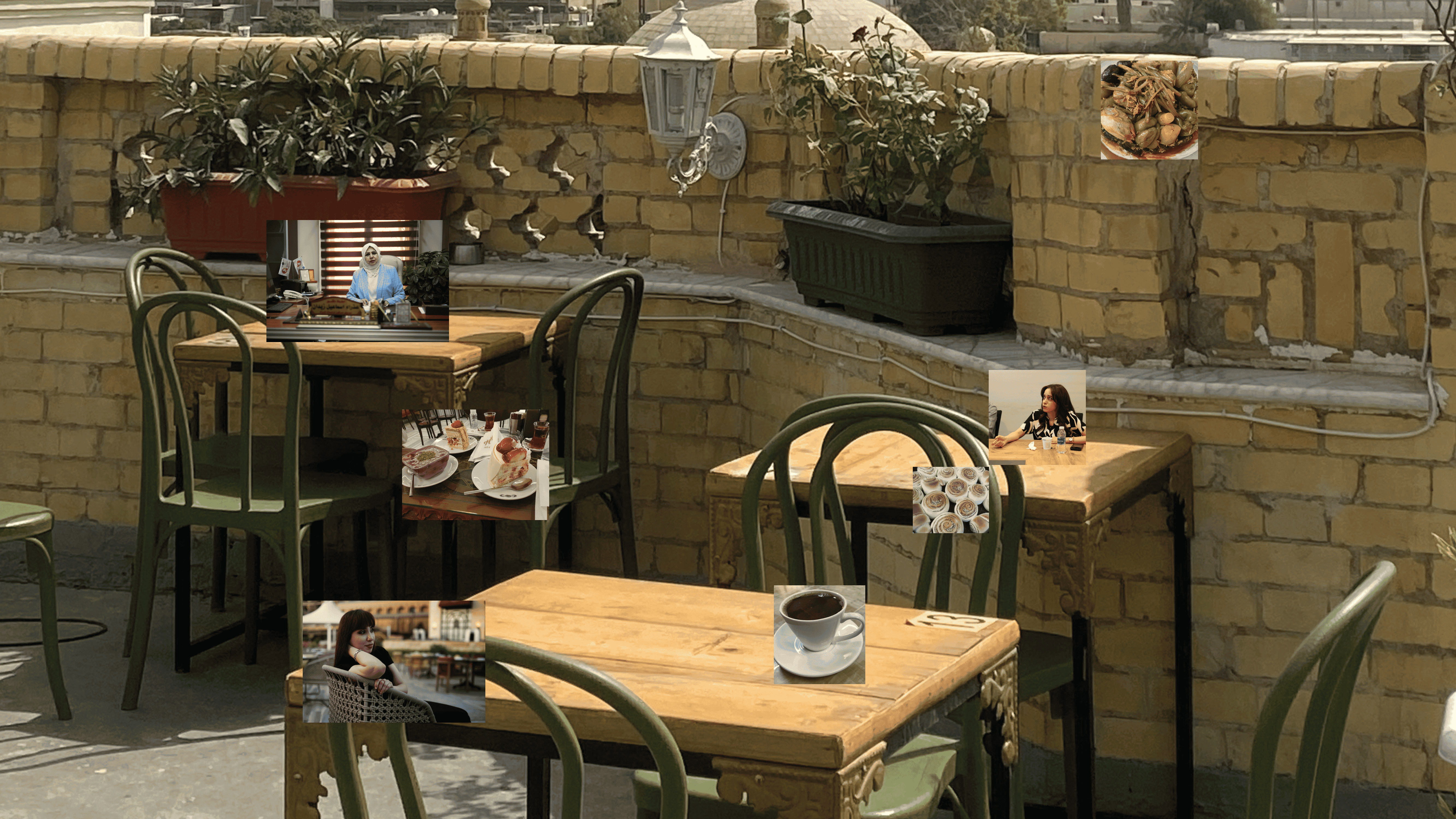
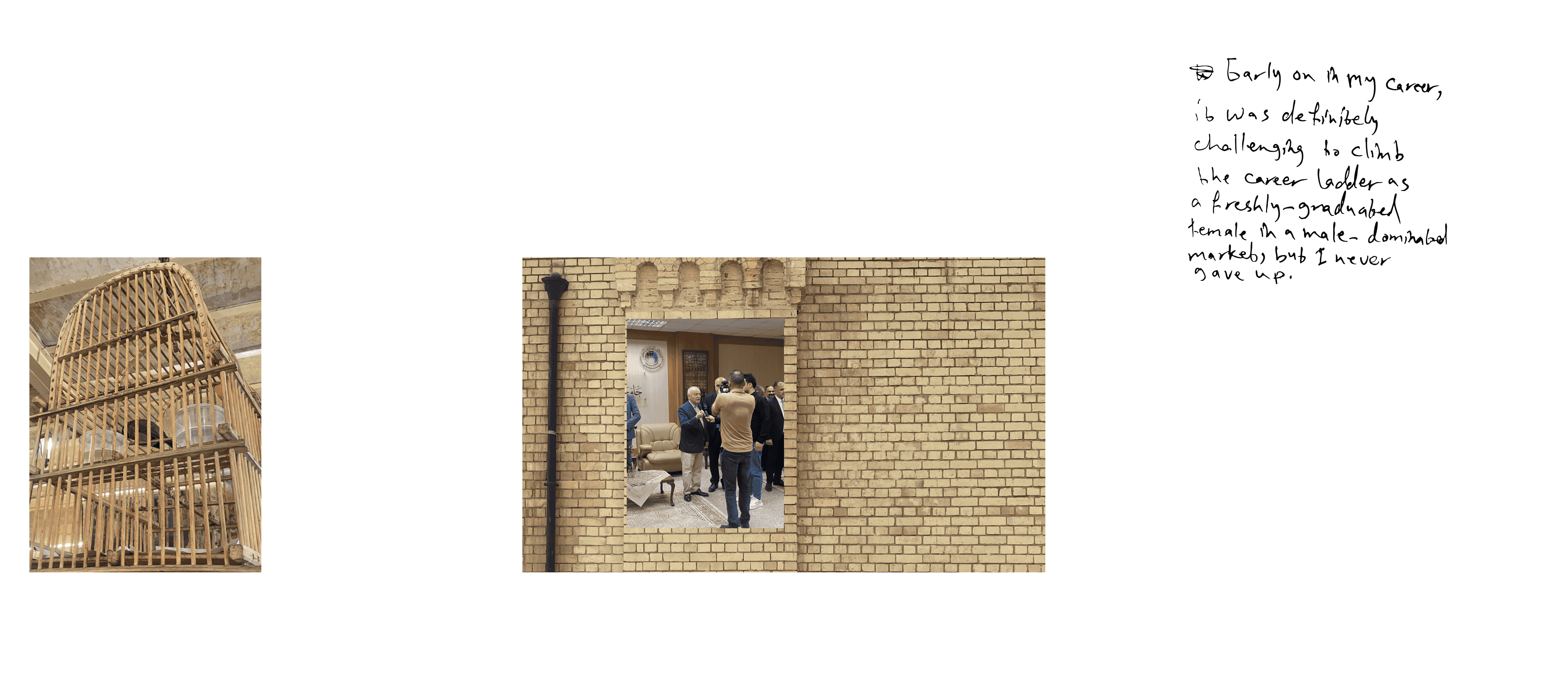
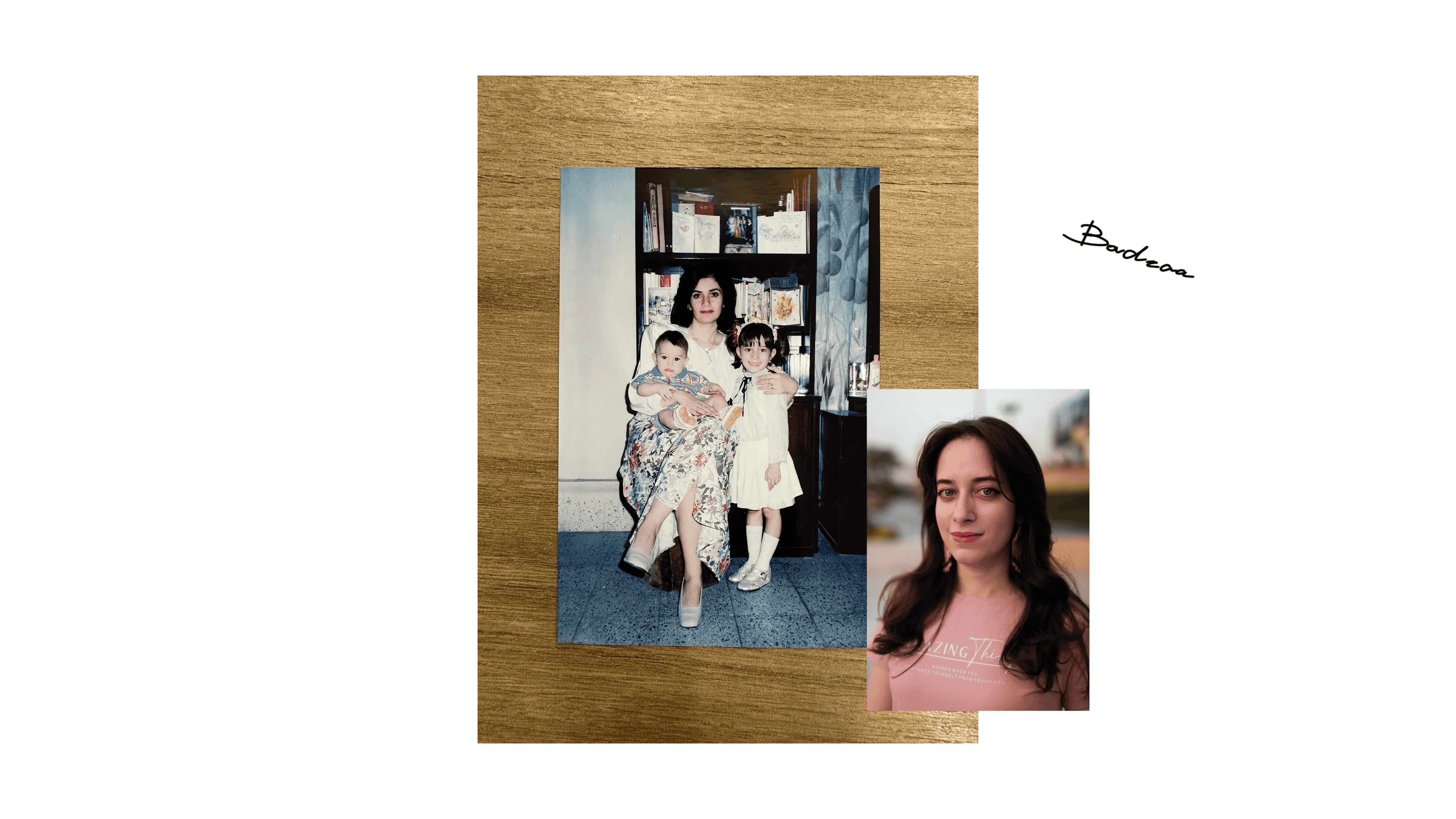
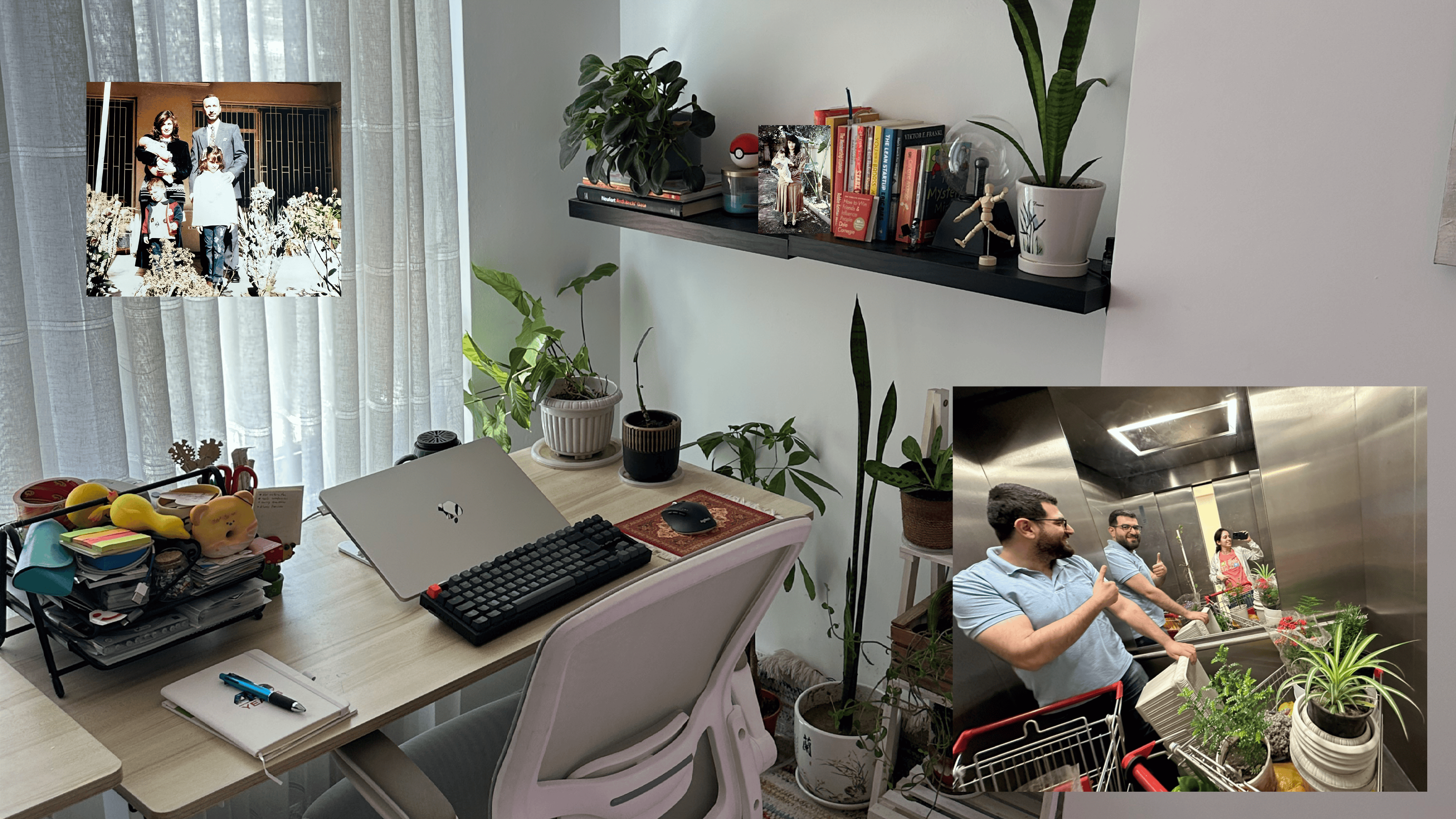
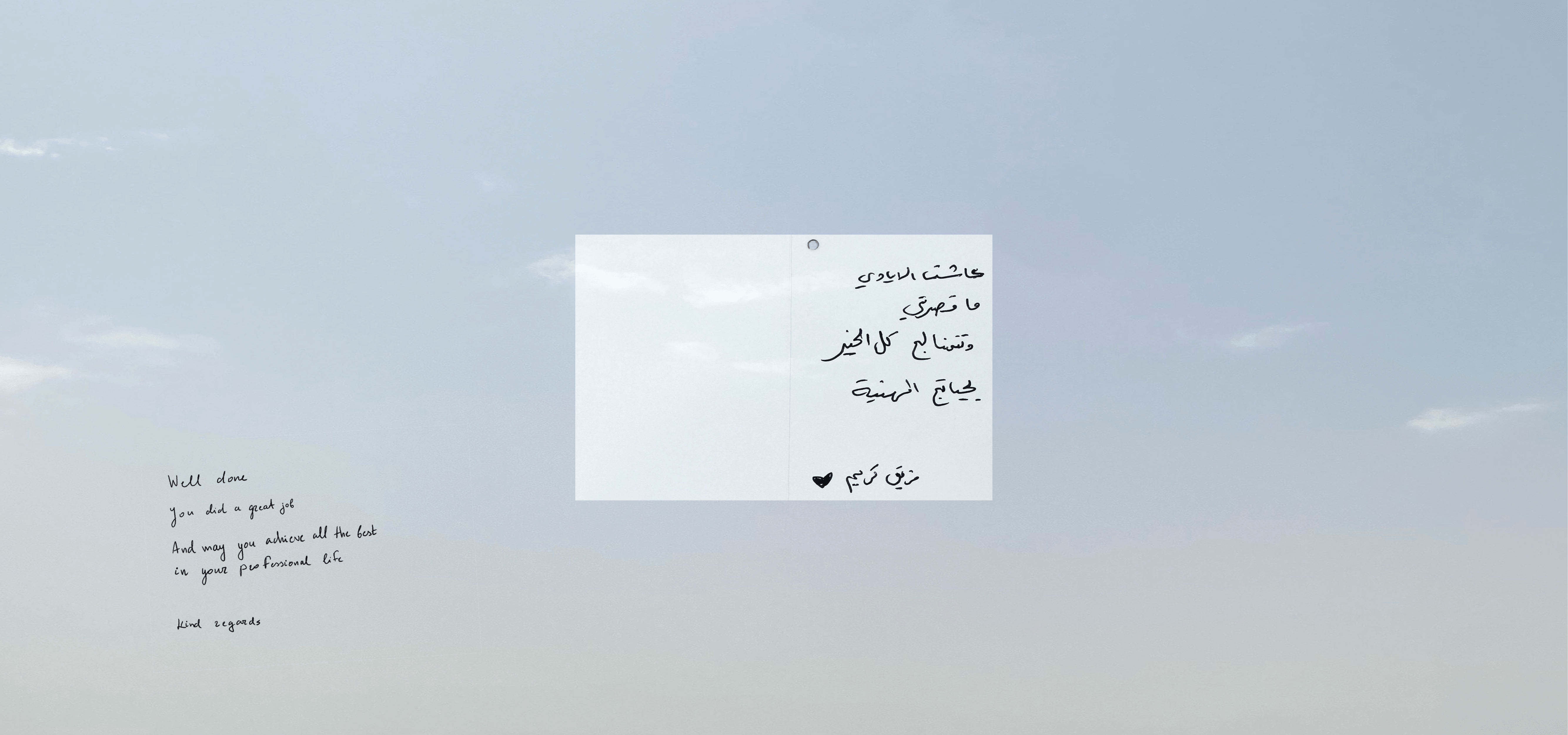
The visual part of the story you are about to delve into was made in collaboration with the protagonists. It is a scrapbook of their memories and experiences, containing photographs from family albums or photos they took with their phones, notes they wrote or received, items important to them, and anything else they wanted to share. They are accompanied by some photos I took on my five-day trip to Baghdad. The pieces were put together by a NARA colleague, Arnas Rasimavičius, to create a visual experience that illustrates different aspects of the protagonists’ lives in Baghdad. For the best visual experience, I suggest viewing via a computer screen.
★
It’s May. A flight of swallows are playing outside the window of my hotel room, as they dive up and down in the evening sun. The traffic outside sounds like people rushing to get home from work, and the river Tigris, unbothered by time, slowly flows alongside them. I open the door to the balcony and ask Maryam Jameel [26] and Badraa Bashar [30] – two Iraqi women – to stand while I take pictures in what might be the only place in the hotel not filled with glitz and glamor. We meet here, in the privacy of my room, to talk about their experiences living and working as women in Iraq. Our conversation turns out to be a scrapbook of memories and experiences that have empowered them to walk their own paths in life. As women, as Iraqis – Iraqi women.
Maryam and Badraa comfortably talk over each other, reminiscing while I prepare them some water for the interview. They used to work together in an Uber subsidiary in Iraq called ‘Careem’ – the first private taxi service of its kind in Baghdad. Today, they both work in Iraq’s private sector and are highly career-driven. An uncommon path for women in Iraq.
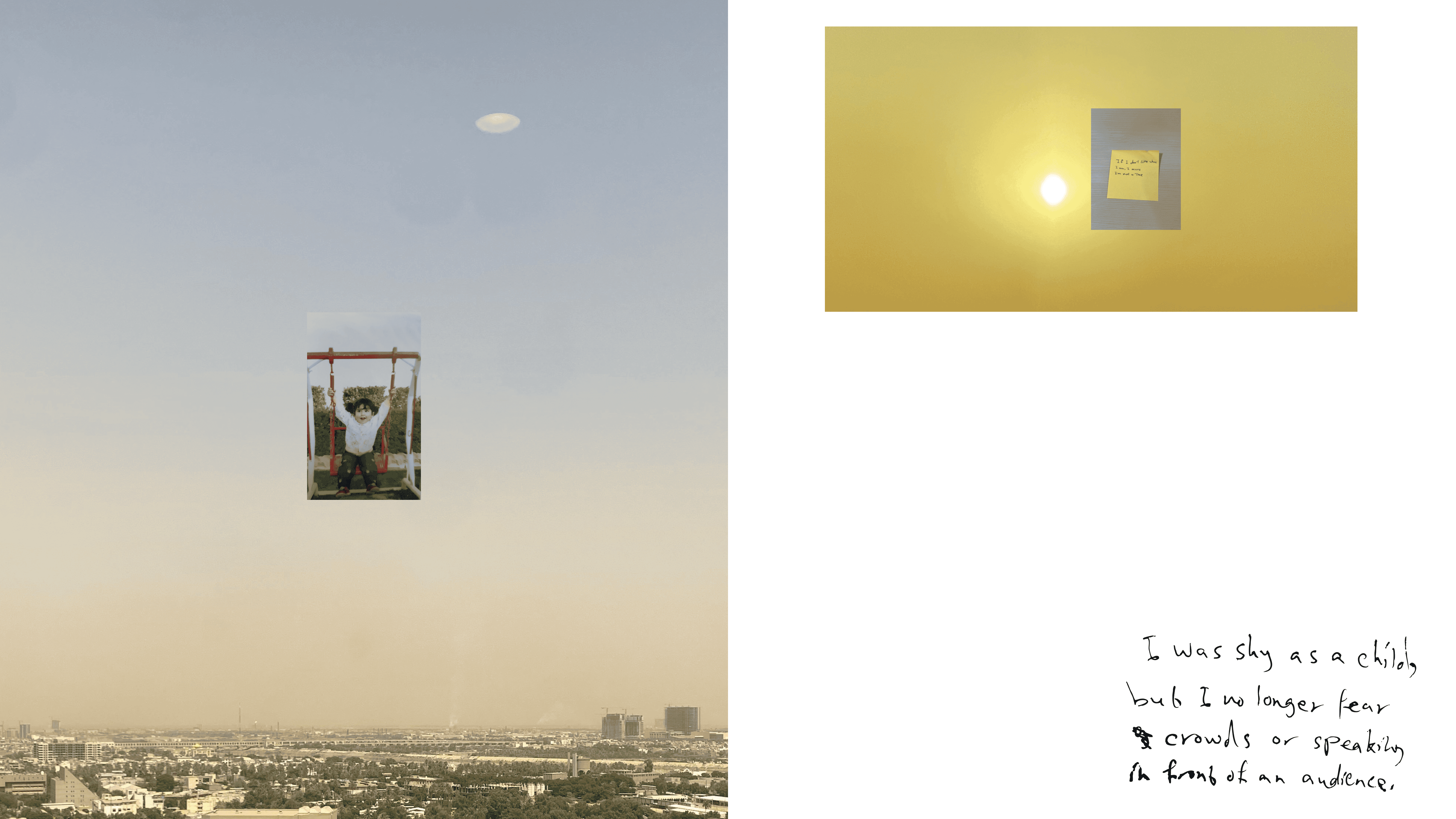
According to data provided by humanitarian organisations and Iraqi officials, in 2021, the female labour force participation rate in Iraq was particularly low – standing at around 11%, compared to 68% for males. Living in the capital, Maryam and Badraa are in a privileged position, with a lot more opportunities than Iraqi women in rural areas – especially since Baghdad is more progressive when it comes to women’s freedoms. They tell me how in Baghdad people are increasingly straying away from traditional beliefs. For example, as opposed to men proposing to the women’s family, couples are going on dates and the city is becoming relatively safe and international.
In Iraq, and the wider region, Baghdad has always been a hub for women’s rights. Famously, women like Dr. Naziha al-Dulaimi, a leading feminist, became the first female cabinet minister in Iraq and the Arab world in 1959. She was instrumental in founding the Iraqi Women’s League, which pushed for progressive laws to protect women and expand their rights in marriage and divorce. Even earlier, journalist Paulina Hassoun launched Layla in 1923, the first women’s magazine in Iraq, using the media to advocate for women’s suffrage and broader social participation. Naziha al-Malaika was a renowned poet who promoted women’s empowerment and challenged traditions through her writings. She was also a key figure in the modernist movement of Arabic poetry, with an active creative career from the 1940s to the 1970s.
Today, Iraq is home to numerous contemporary women’s rights activists, such as Yanar Mohammed, the co-founder of the Organization of Women’s Freedom in Iraq, which runs shelters for victims of domestic violence and honor killings. Dr. Ilham Makki, a researcher and activist who analyses the role of women in modern social movements. Jihan al-Taei, the founder and secretary-general of the al-Mawadda Party, Iraq’s first women’s political party – and so many more. Women in the labour force and progressive women’s rights movements are not new to Iraq, they were simply silenced for quite some time.
★
From the 1920s to the 1980s, Iraq had relatively more progressive women’s rights compared to other countries in the region. Upper-class women entered the country’s job market in the 1920s and 1930s, and by the early 1980s, women made up 40 percent of the nation’s workforce. Women’s rights continued to improve even throughout Saddam Hussein’s regime, which started in the late 1970s, and by 1979 the Iraqi constitution declared all women and men equal before the law. Compulsory education from the age of 16 enabled women in Iraq to become the most educated and professional in the region, and working outside the home became the norm. By the 1980s the Unified Labor Code established ’protections of working women’ and the right to equal pay. Working Iraqi mothers received six months’ paid maternity leave and could take six additional months of unpaid leave. Women could vote, own property and even run for election.
However, by 1991 the Gulf War and subsequent U.N. sanctions led to a rapid decline of women’s rights in Iraq. The resulting economic crisis disproportionately affected women, while Saddam Hussein – seeking regional support – allowed a shift toward Shari’a and traditional tribal codes, restricting women’s mobility and opportunities. Such economic factors led to a huge gender gap in school enrollment, which increased dramatically due to families’ financial inability to send their children to school. When faced with limited resources, many families chose to keep their girls at home. By 2000 Iraq had the lowest regional adult literacy levels, with the percentage of literate women at less than 25 percent compared to 75 percent in 1987. As the economy narrowed, and in an effort to ensure employment for men, the government pushed women out of the labor force and into more traditional roles in the home. Female employment rates dropped drastically.
In 1990, Hussein also amended a law allowing honor killings without penalty. Men could kill female relatives for arguing with their husbands, for adultery, or for having been raped, with no punishment. Human Rights Watch reported that between 1990 and 2003, an estimated 4,000 girls and women had been victims of honor killings. By the end of Hussein’s regime in 2003, Iraqi women had lost a significant amount of their rights, and their role in society had been relegated to a traditional role at home.
After Hussein’s regime fell, the period of wars between 2003 and 2017 was no less turbulent for Iraqi women. The US-led invasion in 2003 destabilised the country even further, disintegrating public security. Both the US and Iraqi officials were focused on counterinsurgency. The Iraqi police were unwilling, or unable, to conduct serious investigations of sexual violence, and the US military police didn’t fill in the gap. As a result, gender-based violence, including honour killings and sex-trafficking, started to increase. The lack of security forced girls and women to stay indoors and out of work or school. The instability also facilitated the rise of extremist groups like ISIS, whose control over certain territories resulted in systematic, mass sexual violence and enslavement – particularly targeting Yazidi women.
Perhaps most crucially, the US-led occupation formed a new Iraqi government based on ethnicity, religion, and tribal strength, raising religious clerics and sheikhs power by giving them key leadership roles. This new structure, influenced by the US and UK, failed to include women’s rights in the new constitution, and so the situation worsened.
Yanar Mohammed, the co-founder and president of the Organization of Women’s Freedom in Iraq, writes that fighting for bettering women’s rights in Iraq over the past 20 years, since the US-led invasion, has been extremely challenging.
She writes: “When the dictatorship of Saddam Hussein was overthrown in 2003, I had hoped for a future in which women in Iraq could be respected and treated as equals under a state that upheld human rights. Instead, the US-led invasion solidified existing patriarchal structures and created the conditions for an increase in violence against women.”
“They are mixing religion with the state. It’s something that serves their interests. It’s good for the patriarchy, but not for women”
This year [2025] the parliament of Iraq passed amendments granting religious courts greater authority over family matters and enabling girls — particularly under Shia Ja’afari law — to be married as young as 9, effectively overturning the long-standing national ban on child marriage. This amendment affects Iraq’s Shia Muslims that follow the Ja’afari school of thought, which constitutes approximately 55% of the Iraqi population, mostly concentrated in the South of the country. Critics and human rights activists have condemned the move as ‘legalising child rape’, arguing that it dismantles protections for women and children, and marks a significant regression in gender equality.
As we talk about this in my hotel room, Maryam and Badraa feel rightfully angry.
“They are mixing religion with the state, with the country, with the government. It’s something that serves their interests. It’s good for the patriarchy, good for men, but not for women. I think the government needs to do a better job of protecting women. Here in Iraq calling someone the wrong gender or saying the wrong pronouns isn’t the issue. Our problems are still at a fundamental human rights level,” says Maryam.
But she is tired of blaming the government. It’s the people, the companies, the stakeholders that need to be aware: “People need to educate themselves,” she says.
★
Maryam shares that in recent years Iraq’s economic situation has been getting better due to an increase of foreign investments. As we sit in my dimly lit room, they can still recall the Iraq war. They were kids back then. Maryam and her family fled and took refuge in Syria, Lebanon, and Jordan, so she traveled around a lot. Whereas Badraa experienced everything happening in Baghdad first hand. “And thank God we survived,” Badraa says.
When Maryam and her sister reached the pivotal point of their education, their parents made the decision to move back to Iraq and settle there. “Every Iraqi citizen has to make that decision at some point in their life,” she says. And it wasn’t always perfect – finding jobs was difficult, and so was leaving friends behind. But they ended up completing the Iraqi family dream: her sister got into med school, and Maryam into engineering, where she specialised in polymer and petrochemicals. “You’ll go to any NGO, you will go into any company, and you’ll find that there are like six engineers out of 10 people. There are so many engineers and doctors in Iraq,” she laughs. College was a big life shift for Maryam. She went from being awkward and shy to being a “toastmaster,” as Badraa calls her. Maryam recalls her coursemates worrying about getting a government job, and to this day, working for the government is the preferred option in Iraq. Even though wages are far lower than working in the private sector, a government job offers stability. Usually, the top three students in class get offered government positions in ministries or labs. Maryam came fifth. But she shares that she didn’t want a government job anyway: “I would’ve died of boredom”.
And neither did Badraa. She also studied engineering, and her family insisted she get a government job. Her mother works for the judiciary and could’ve helped her get a job there but Badraa decided to look for a job in the private sector. At first, she got a job as a cashier in a pharmacy without telling her dad. Her paycheck was 200 USD a month and she worked 6 days a week, 10 to 12 hours a day. “Thankfully, my brother supported me a lot because my father wouldn’t have wanted me to work a job like that. And so I just kept building my CV.”
The private sector in Iraq was very limited back then. There were no specialised workshops, people didn’t think about CVs, and even the internet was still new. It was much harder to find a job in the private sector but Badraa got lucky when a friend invited her to an interview with a French company. Her salary tripled, and promotions followed quickly. “I didn’t know what I was doing except that I was passionate about learning,” she says. “Now I’m fulfilling my dream, which is growth hacking – a combination of data marketing and engineering.”
The private sector and foreign companies offer women in Iraq better work opportunities and a better work climate, since they have to uphold more international standards for workers’ rights. Even so, Badraa and Maryam have both experienced their fair share of patriarchal norms and sexism in the workforce. Maryam says that sometimes companies want to hire women just to use them for diversity marketing.
According to Maryam and Badraa, younger women have to work three times as hard to prove themselves in the workplace, and the mentality of some of the male employees and colleagues is outdated. A lot of them don’t take women seriously and undermine their expertise – asking them to fetch the paper and coffee constantly. Both women share that men find it easier to mistreat female colleagues. “I even noticed that sometimes young female colleagues get assigned more work beyond their position description. And I see that it’s a pattern. We’re not crazy. We all talk about it sometimes,” says Maryam. Companies often won’t hire married women who plan to have families, and will actively lay off pregnant ones. Badraa had to lie about her age on her résumé, as she feared that it could impact her employer’s decision.
The constant pressure to outperform everyone to receive equal treatment follows Iraqi women from girlhood. Parents could very easily make the decision to prevent them from getting an education or a job. In high school, girls and boys are separated, so a woman working with men is a lasting taboo. “My dad, he’s a good man, but he would have forced me to stay at home just because he didn’t want me to work as a cashier. He’s well educated; he just wants to protect me. But I know other parents forbid their girls from working just because she would be talking to a boy,” says Badraa. When Maryam was a teenager, her dad always insisted that her mother takes her everywhere, as he feared she might get abducted or assaulted when taking a taxi.
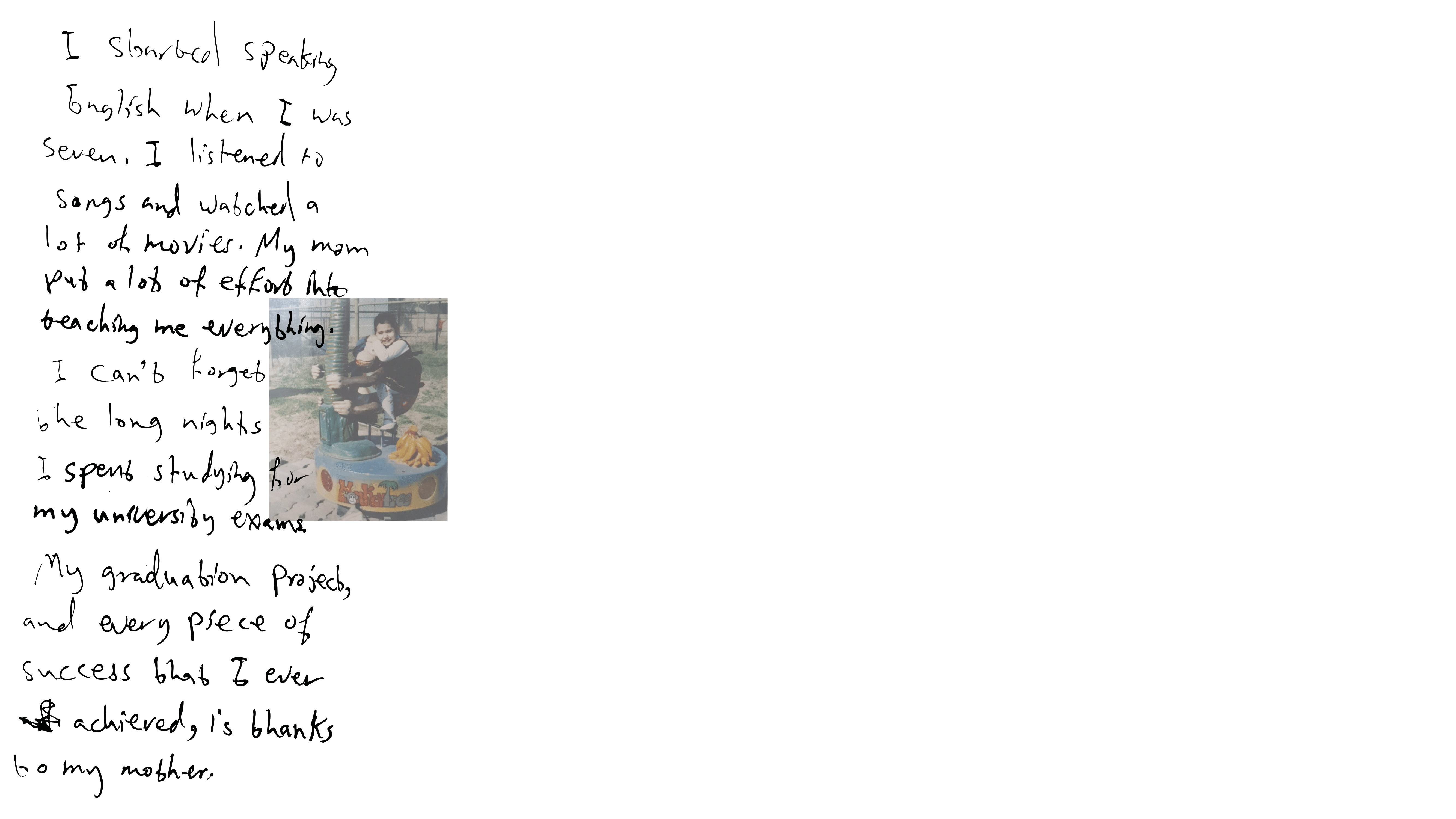
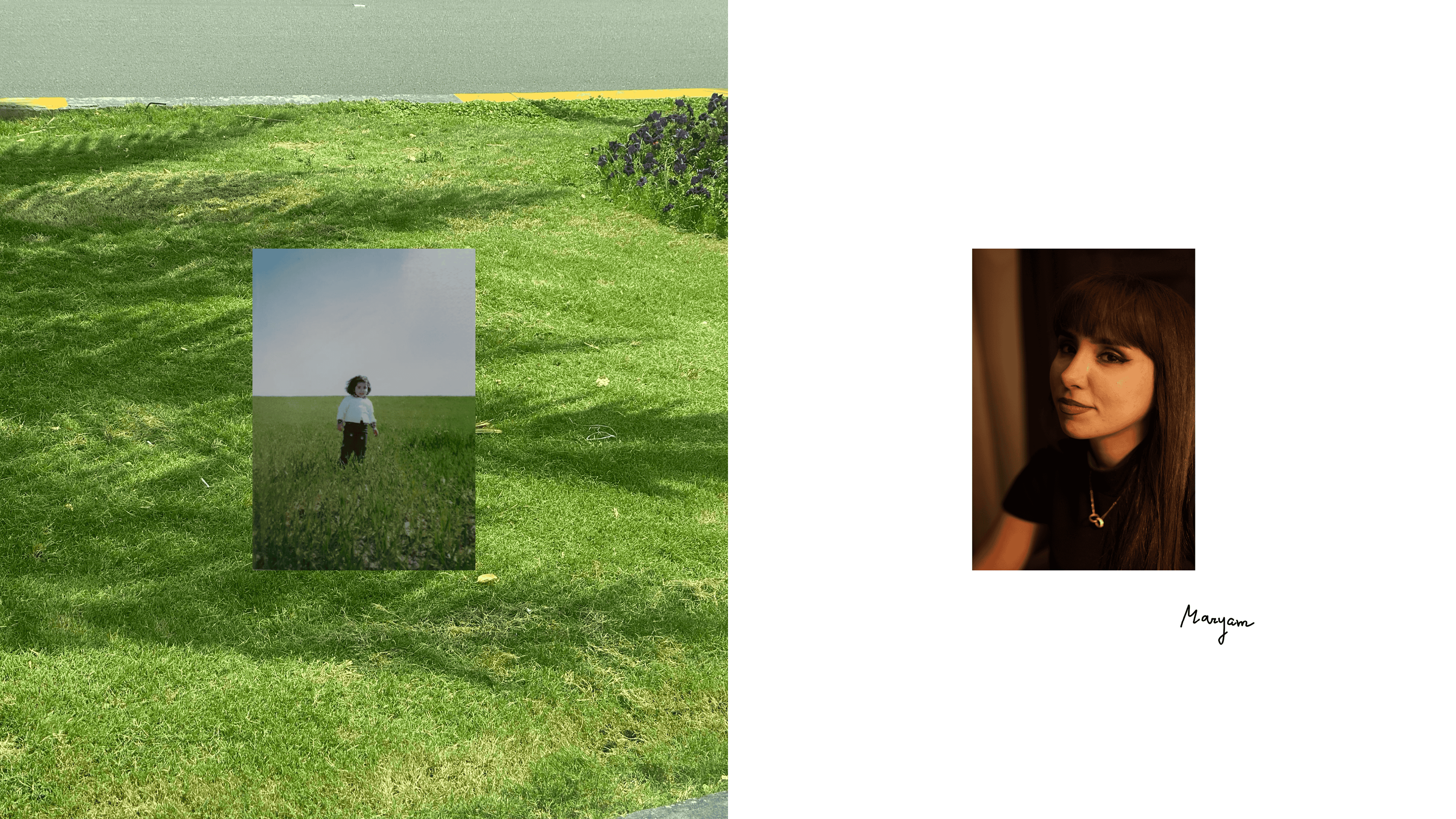
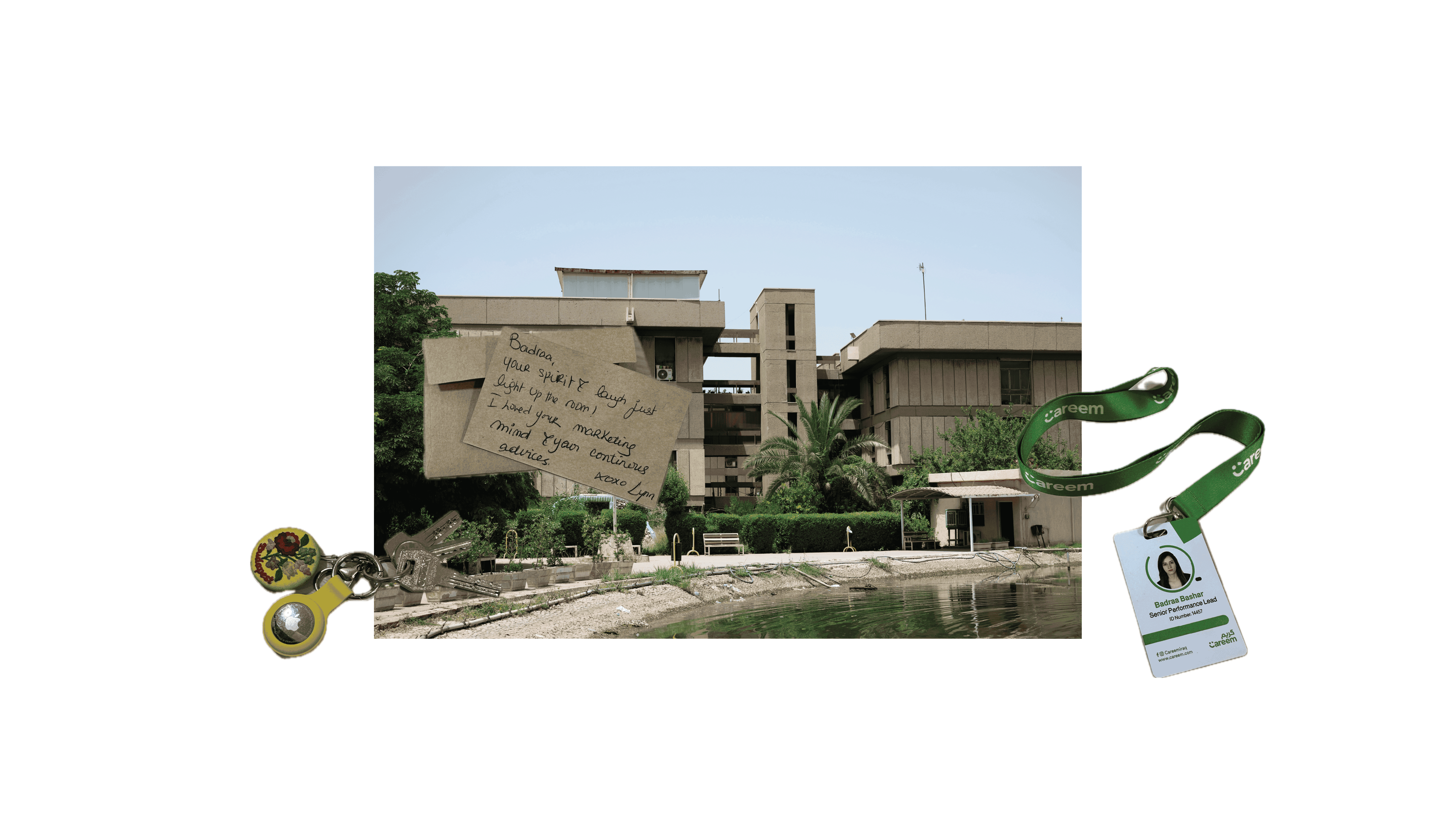
Their main support through everything has always been their mothers. They understand what it’s like to be a woman in Iraq. Badraa’s mother turned away any marriage proposals to the family, because she wanted her daughter to enjoy life, to try and learn to depend on herself.
“My mom was an amazing supporter for me. I had this big fight with my dad about the hijab. I didn’t like it. One day I just gave up and decided to wear it. And my mother said no, if you don’t like it, don’t wear it. You are not forced. It’s about how convinced you are about the concept of it. And so I never wore it again because my mom was amazing. If she wasn’t supporting me, it would be very different,” shares Badraa.
Maryam’s mother has also been her advocate: “You know, I’m crazy. I always do adventurous things. My parents were against many of my jobs. They were against my travels. But I can imagine if my mom wasn’t there, I don’t know what I would’ve done because she’s the one who always stands up to my dad and reasons him. She’s the greatest.”
Women have been supporting women and lifting each other up for many years in Iraq. Now there are a lot of opportunities and communities that offer such support. Incubators, workshops, training programs like The Station, Five one labs, Takween Accelerator, and Makers Space are giving not only women, but all young people in Iraq, better job opportunities.
“When you think about Iraq, just think about where people started. We didn’t have internet or digital innovation up until after 2003 [because of international sanctions against Saddam’s regime]. We were aliens to the world. We didn’t know anything. Our access to the world was very limited, restricted and highly supervised. So everything came to us late. And so it's normal. You don’t compare us with the US or Europe. Now young people are starting companies and startups. There are so many resources now that we didn’t have. I feel like even in the workforce, we have to give seniors some mercy because they didn’t have the exposure that we have today. Like my cousin started working and he had his own startup at 15 and you know, that’s crazy. I never did that in my age,” says Maryam.
Although foreign investment is creating new workplaces, local entrepreneurs still face significant challenges, and many young Iraqis are emigrating in search of better opportunities. In 2024, Iraq experienced a reduction in net migration of approximately 17,735. While the government has introduced reforms to diversify the economy – such as improving banking access, amending investment laws, and supporting small businesses – bureaucratic red tape, outdated regulations, and limited financing options continue to hinder progress. Many startups struggle to register legally, secure loans, or find skilled talent, especially in tech. With over half the workforce in the informal sector and a cultural preference for government jobs, private-sector growth remains slow despite ongoing reforms.
“We have suffered enough trauma. Now we just want to build our country”
Nevertheless, Badraa is set to stay. After marrying, she feels settled down. “I think because of what we lived through, everyone is aiming to get out of Iraq and have a better, decent life. But now things are getting much better. Now there are better opportunities for young people. Life is safe and calm. I hope things will keep improving. Because like no one wants to go back to what was happening,” she says.
Badraa feels as though she’s achieved a lot more than she could ever have imagined. Now she’s planning a start-up with her husband, and thinking of having kids. After all, Iraq is home, and for her, the feeling of home is the most important.
Maryam says she is flexible and open to opportunities. She has worked across diverse fields – from lifesaving assistance, infrastructure, rehabilitation, and providing economic opportunities. And when someone chooses to go through that path, it’s not just for the status, she says. “For me it’s mostly knowing that I’m making an impact. Even if I go into a company, it’s important for me to know that they have a corporate social responsibility system and that they’re fighting for the right causes, or at least providing a service that’s making people’s lives better,” says Maryam.
She observes her sense of nationality grow as she gets older. As a teenager, Maryam wanted to leave, but now she feels happiest when contributing to the lives of other Iraqis. “They are survivors,” she says. “The GDP’s increasing, but that’s only on the surface. There are a lot of people who still need help. Contributing to that mission is something that makes me feel good. This country is part of my identity, the food, the family, you know. And as a woman who has lived in my family’s home my whole life, I cannot imagine leaving. I love them.”
★
There is just a nightstand light holding the room together now. Our conversation has reached a pleasant heaviness between three tired people, which feels like a weighted blanket. Maryam, Badraa, and I have been talking for about an hour, and I feel as inspired as I’ve ever felt to create my own future and take life into my own hands. “Independence is the most beautiful feeling in the world,” says Maryam. And I feel the weight of those words in my soul.
“We have suffered enough trauma. Now we just want to build our country,” says Badraa. “We would love to see Iraq as one of the countries that people would like to come to study in. There’s a lot of work to be done, but beautiful and good things are happening.”
Iraqi people are ready to take the barbed wire off their walls – and young women like them are leading the way.
-
Friend €5 mo.
-
Penpal €10 mo.
-
Advisor €30 mo.
-
Patron €100 mo.
-
Friend €50 y.
-
Penpal €100 y.
-
Advisor €300 y.
-
Patron €1000 y.
This article has been produced with the financial assistance of the European Union, contracted by ICMPD through the Mobility Partnership Facility. The contents of this document are the sole responsibility of VšĮ OSMOS Global Partnerships and can under no circumstances be regarded as reflecting the position of the European Union and the one of ICMPD.