
How War Forces Ukrainian Women to ‘Fit into a Man’s Skin’
More than 76,000 women serve in Ukraine’s Armed Forces, yet military gear designed for the female body remains in short supply. Servicewomen and veterans are pushing for properly fitting body armour, uniforms and other essential equipment – arguing that what may seem like a matter of comfort can directly affect their health and safety.
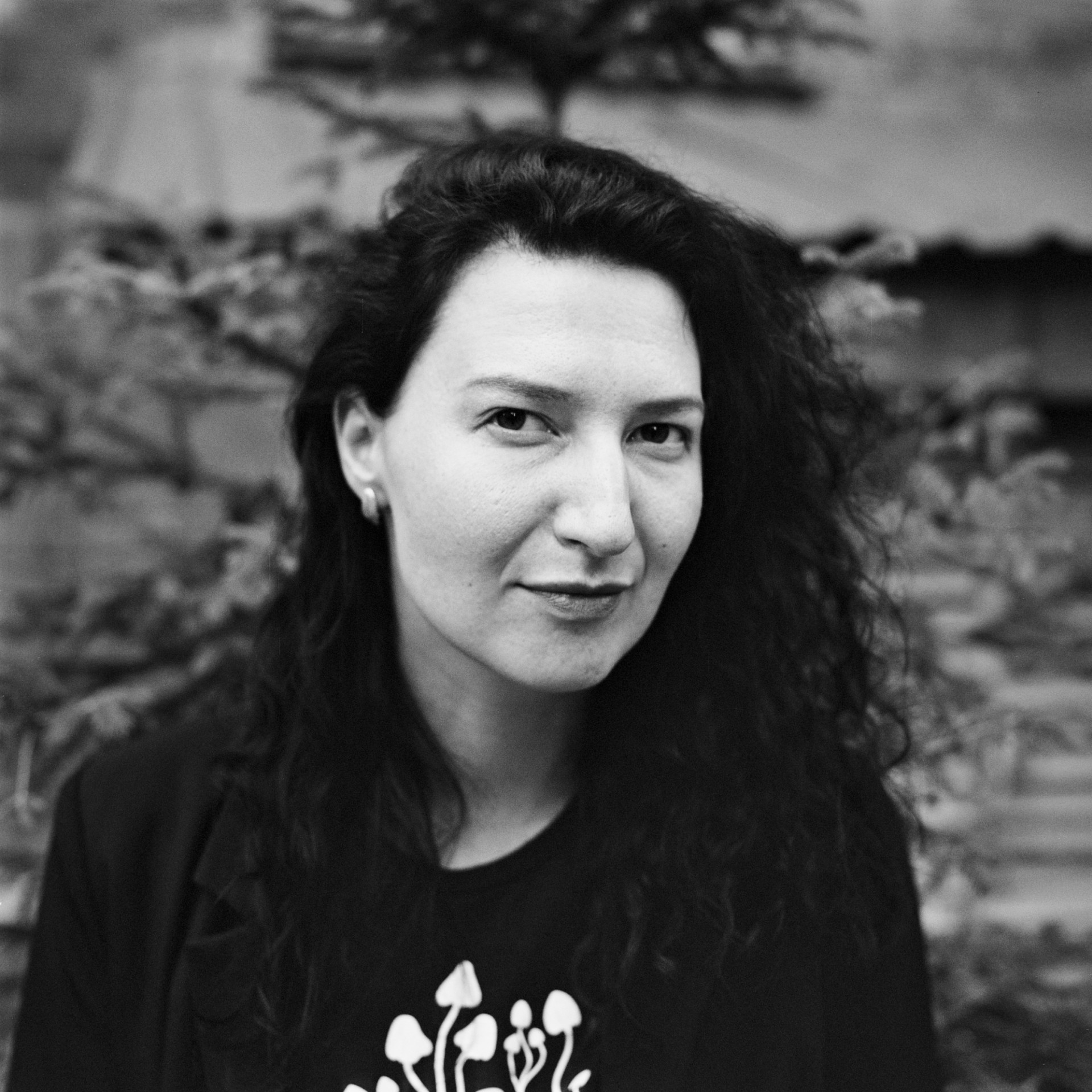
In the first days of Russia’s full-scale invasion, the command “Air!” – a warning of an imminent aerial threat – rings out, and Ukrainian servicewoman Natalia Lishchyshena jumps from a military truck to the ground. Her standard-issue body armour, weighing 18 kilograms, slams painfully against her breasts. With her life at risk, she has no choice but to endure the pain.
The command “Air!” rings out repeatedly that day. That evening, when Natalia finally takes off her body armour, she sees large bruises across her chest. Her unit redeploys, positions change, the war goes on. The bruises fade, and Natalia forgets about the injury.
Until, a few years later, doctors diagnose her with a precancerous condition that ultimately leads to the complete removal of both breasts.
According to the Ukrainian organization VETERANKA, Natalia Lishchyshena became the first Ukrainian servicewoman to publicly raise the issue of the potential impact of standard-issue military body armour on women’s health.
What the military bureaucracy calls “standard-issue” body armour could, in reality, simply be called men’s body armour. Although more than 76,000 women officially serve in Ukraine’s Armed Forces, they are still not fully provided with anatomical bulletproof vests, uniforms or even underwear.
“Women Are Not Small Men”
In July, Ukraine’s Ministry of Defence announced that servicewomen in combat units of the Armed Forces of Ukraine had received body armour designed to accommodate female anatomy. The initial batch consisted of 2,000 vests. It was the first time such body armour had been issued since 2014, when the war in eastern Ukraine began.
“This is just a drop in the ocean. I have a question for the state: what costs more – anatomically designed body armour, or rehabilitation and reconstructive surgery after an injury?” asks 45-year-old Natalia Lishchyshena.
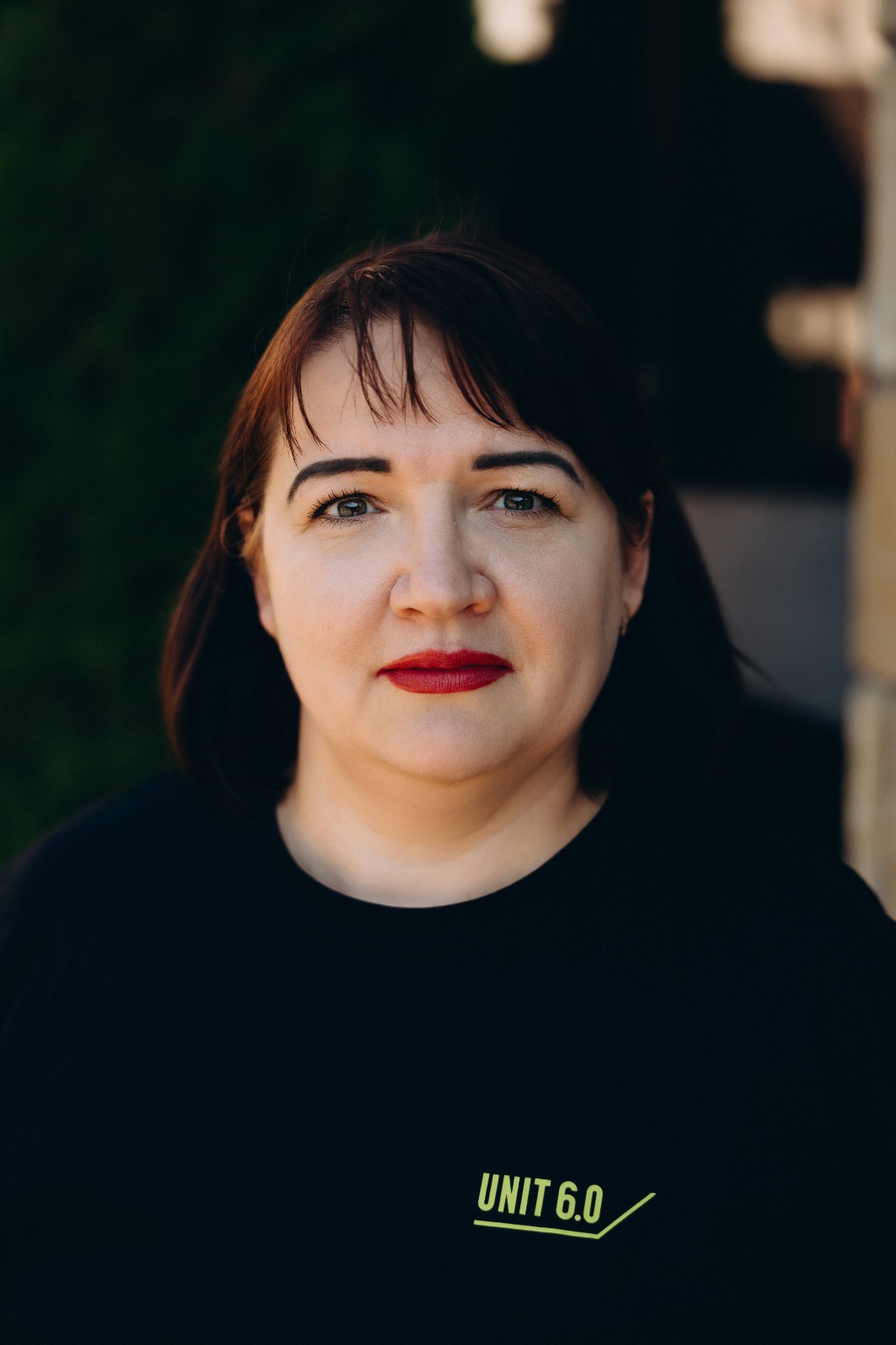
“It seems so obvious: women have breasts. But somehow this isn’t taken into account when it comes to uniforms and protective equipment.”
Natalia is now a veteran. Her health no longer allows her to serve, as she has a disability.
“I found out about my condition by chance. I was undergoing an examination because of problems with my lungs when the doctor referred me to a breast specialist as well. I was diagnosed with an intraductal papilloma (Mintz’s disease), a precancerous condition. Without surgery and the removal of my breasts, the tumour could have become malignant,” says Natalia, who is now actively involved in human rights advocacy and support for veterans.
According to Natalia, several doctors told her that, in her case, the chest injury she sustained while wearing ill-fitting body armour, designed for men, may have contributed to the development or worsening of her condition.
“It seems so obvious: women have breasts. But somehow this isn’t taken into account when it comes to uniforms and protective equipment. Women are not small men. Giving a woman men’s body armour, a helmet and a uniform in a smaller size does not solve the problem,” Natalia explains.
Her concerns that body armour designed for men can harm women’s health are also shared by medical professionals. Dr Oleksandr Kalinchuk, a Ukrainian surgical oncologist, says that wearing body armour that is not adapted to female anatomy may increase the risk of cancer among servicewomen.
“Anatomically designed body armour is absolutely necessary. There are studies suggesting that wearing tight underwear that puts pressure on the breasts can impair blood circulation, cause inflammation and, as a result, potentially contribute to the development of breast cancer. The same principle applies to body armour: the pressure it creates can impair blood circulation, while injuries can lead to chronic inflammation and potentially contribute to cancer,” says Kalinchuk, who currently serves as medical director of St Nicholas Hospital in Lviv.
Natalia is now campaigning for a state-funded breast reconstruction programme for servicewomen and female veterans who have undergone mastectomies.
“Implant-based breast reconstruction costs €7,000. That is a lot of money, and veterans like me simply don’t have it. I could have the reconstruction paid for through donations, but I refuse to do that on principle. For the sake of other women, I want to make sure that Ukraine establishes a state-funded programme,” she says.
Natalia is a member of VETERANKA, a civil society organisation bringing together more than 3,000 active servicewomen and female veterans to advocate for women’s rights both in the Armed Forces of Ukraine and in civilian life.
Together with VETERANKA, Natalia developed a questionnaire for a comprehensive anonymous survey of servicewomen and female veterans on the impact of body armour on breast health. The survey was designed to gather data that could help lay the groundwork for a state programme providing reconstructive surgery and breast implants.
“The survey was launched in March 2026, and its preliminary findings were used in appeals to government institutions. We wanted the state to understand that my story is not an isolated case, and that standard-issue body armour is harming the health of women serving in the military every day. Even at this interim stage of the study, dozens of women have reported that wearing body armour has had a negative impact on their health,” says Natalia. She adds that the survey is still ongoing and that its final results will be published at the end of autumn 2026.
“Not a Priority”
Lieutenant Colonel Khrystyna, call sign “Kudriava”, of Ukraine’s National Guard has a rare day off today. She uses her free time to visit the Kyiv office of Zemliachky, a Ukrainian civil society organisation that supports servicewomen across Ukraine’s Defence Forces by providing uniforms and military gear, as well as psychological support.
Khrystyna tries on a uniform. It fits perfectly. It is comfortable, functional, the right size – and comes with a small detail embroidered on the collar. The uniform was designed and made by Zemliachky. According to Khrystyna, nothing comparable is currently provided through Ukraine’s state military supply system.
“For many women with different body types, uniforms need to be individually tailored, or at least come in a women’s sizing system, so they can perform combat tasks effectively. The standard men’s sizing system simply doesn’t work for women,” says Khrystyna, who has served since 2013. Over the years, she has watched both the role of women in the military and attitudes towards them change.
In 2014, when Russia invaded Ukraine, the male soldiers from Khrystyna’s unit were sent east. She, however, was not allowed to go to the front line because of gender stereotypes.
“I felt as if someone else had gone to war in my place. So I decided to train as an officer. I hoped that I would become someone who could choose her own place in the military,” the lieutenant colonel recalls.
By the time Russia launched its full-scale invasion, Khrystyna was already deployed in eastern Ukraine, in Stanytsia Luhanska, serving with a reconnaissance unit. Her commander tried to send her to the rear. This time, however, she stood her ground and defended her right to remain where she could be most effective and was most needed.
“Before 2013, a woman in the military was the exception rather than the rule. Women tended to hold stereotypically female positions – they were medics or worked with documents.
After 2014, that began to change thanks to the women who were among the first to join Ukraine’s defence after the Revolution of Dignity. They served as assault troops, reconnaissance soldiers and infantry, but on paper they were listed as seamstresses or clerks. Thanks to their advocacy, around 70 combat positions in the Armed Forces of Ukraine were eventually officially opened to women,” says the lieutenant colonel, who has been through heavy fighting in the Luhansk and Donetsk regions.
The harsh conditions on the front line were made even more difficult for Khrystyna by the lack of properly fitting uniforms and military gear.
“I remember when we were deployed in the Luhansk region, they brought us underwear. These huge olive-green men’s military underpants that would fall down under your uniform, and men’s T-shirts. I took two pairs of underwear. I don’t even know why. I just wrapped a collection of my favourite poetry in them, because there was no way I could actually wear them,” laughs Khrystyna.
But body armour and helmets are no laughing matter for her. Protective equipment that does not fit properly can be genuinely dangerous in combat. “Providing women with properly fitting military gear is simply not a priority. In our situation, the priority right now is air defence,” she says.
Ukraine’s Ministry of Defence, however, says that by the end of 2025, the needs of servicewomen for women’s field uniforms and underwear had been fully met. According to the ministry, more than 30,000 sets of women’s field uniforms and over 100,000 items of underwear were procured and delivered to military units in 2025. These deliveries did not include anatomically designed body armour, the first batch of which was issued separately in July 2026.
At the same time, civil society organisations working with servicewomen, such as Zemliachky, continue to receive thousands of requests for uniforms and military gear.
A Second Skin
Khrystyna Delin, deputy to the co-founders of Zemliachky, carefully packs a women’s uniform, sleeping bag, book, first-aid kit and hand cream into a cardboard box. With a marker, she writes on the box: “We are proud of you.” Since the start of Russia’s full-scale invasion, the organisation has fulfilled more than 31,000 individual requests from servicewomen across Ukraine’s Defence Forces.
“When you go to the gym, you choose comfortable clothes that allow you to exercise properly. It should be the same for a servicewoman: her uniform should feel like a second skin. You need to be comfortable in it to carry out your combat tasks. Unfortunately, women who wear sizes S or M were being issued uniforms in sizes L or XL. It’s uncomfortable, and it’s not what proper military provision should look like,” says Khrystyna Delin as she walks through the organisation’s warehouse.
Around her, boxes filled with items requested every day by servicewomen are stacked all the way to the ceiling.
“Eighty percent of our requests are for uniforms, followed by anatomically designed body armour, helmets, boots, sleeping bags and sleeping mats. The number of women in the Armed Forces of Ukraine has grown over the past year, so the requests never stop,” Khrystyna says, explaining that the organisation relies on donations and fundraising.
Both Natalia and Khrystyna “Kudriava” say that the situation with equipment for women in the military is finally beginning to change. And in their view, Ukraine itself will have to forge the path forward.
“Ukraine is now one of the few countries with such extensive experience of modern combat and, consequently, of finding solutions on the battlefield – whether in terms of uniforms or the use of weapons. So it is up to us to change this patriarchal system,” says Lieutenant Colonel Khrystyna “Kudriava”, who currently serves with a separate artillery brigade of Ukraine’s National Guard.
Meanwhile, Khrystyna Delin seals several more boxes. Tomorrow, the uniforms inside will be sent to women on the front line – and a few more servicewomen will receive their own “second skin”, made for women.
Yulia Surkova is a Ukrainian journalist, war correspondent and producer based in Kyiv. She has been covering Russia's war against Ukraine since 2014, reporting for international media on the human impact of the war, life in frontline communities, and the experiences of women and children affected by the conflict.