
Hear the interview by pressing the PLAY button on the website player or listen on the Spotify app:
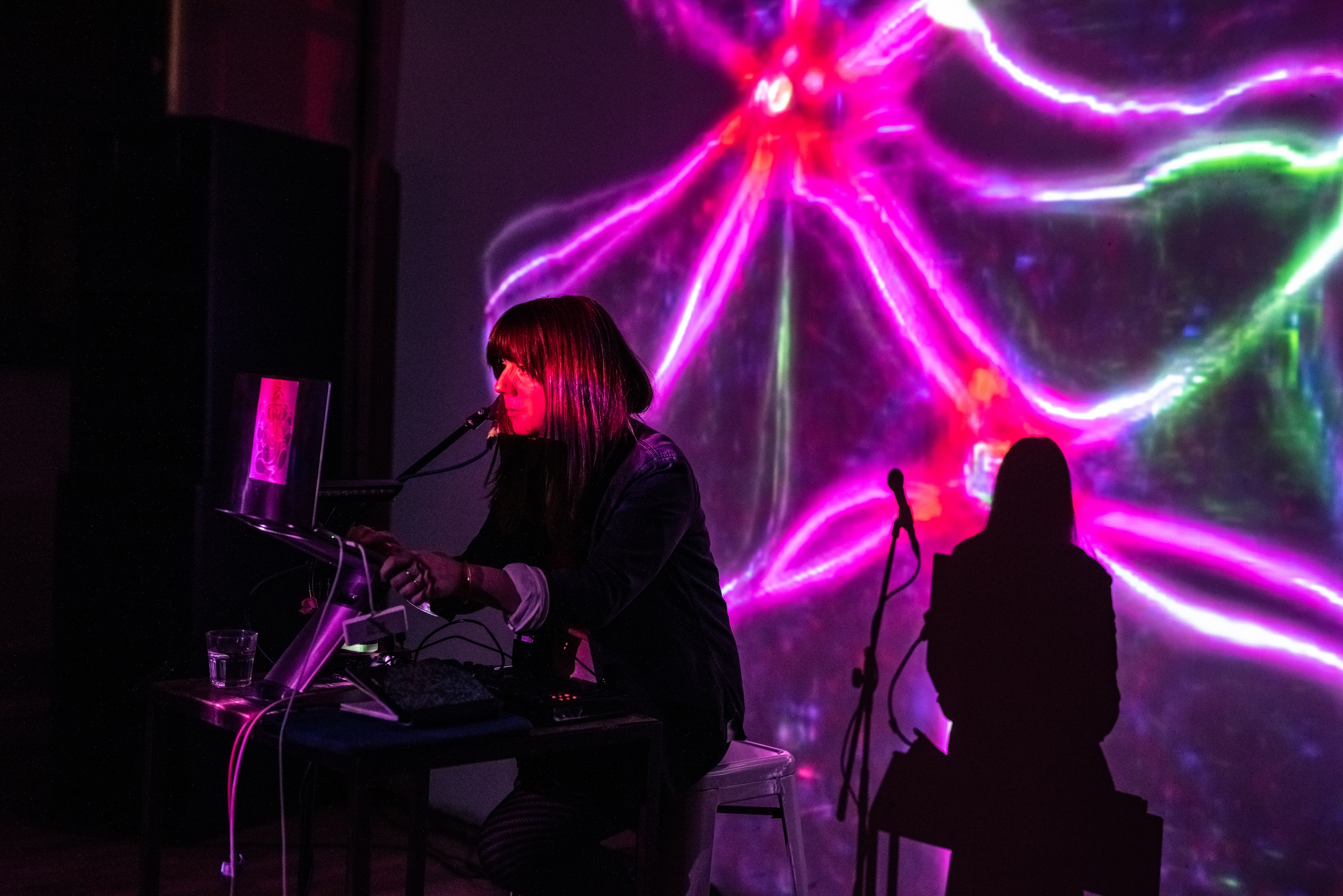
This November, Helen performed at the mental health arts festival Ryšiai in Vilnius together with British-Lithuanian cellist and composer Anton Lukoszevieze. The performance ‘Jugulbandi’ was a dialogue between the ill and the carer. Influenced by South Asian rhythms, psychoanalytic and sociological research and personal experience, Helen poetically reflected on the dynamics between the illness and care.
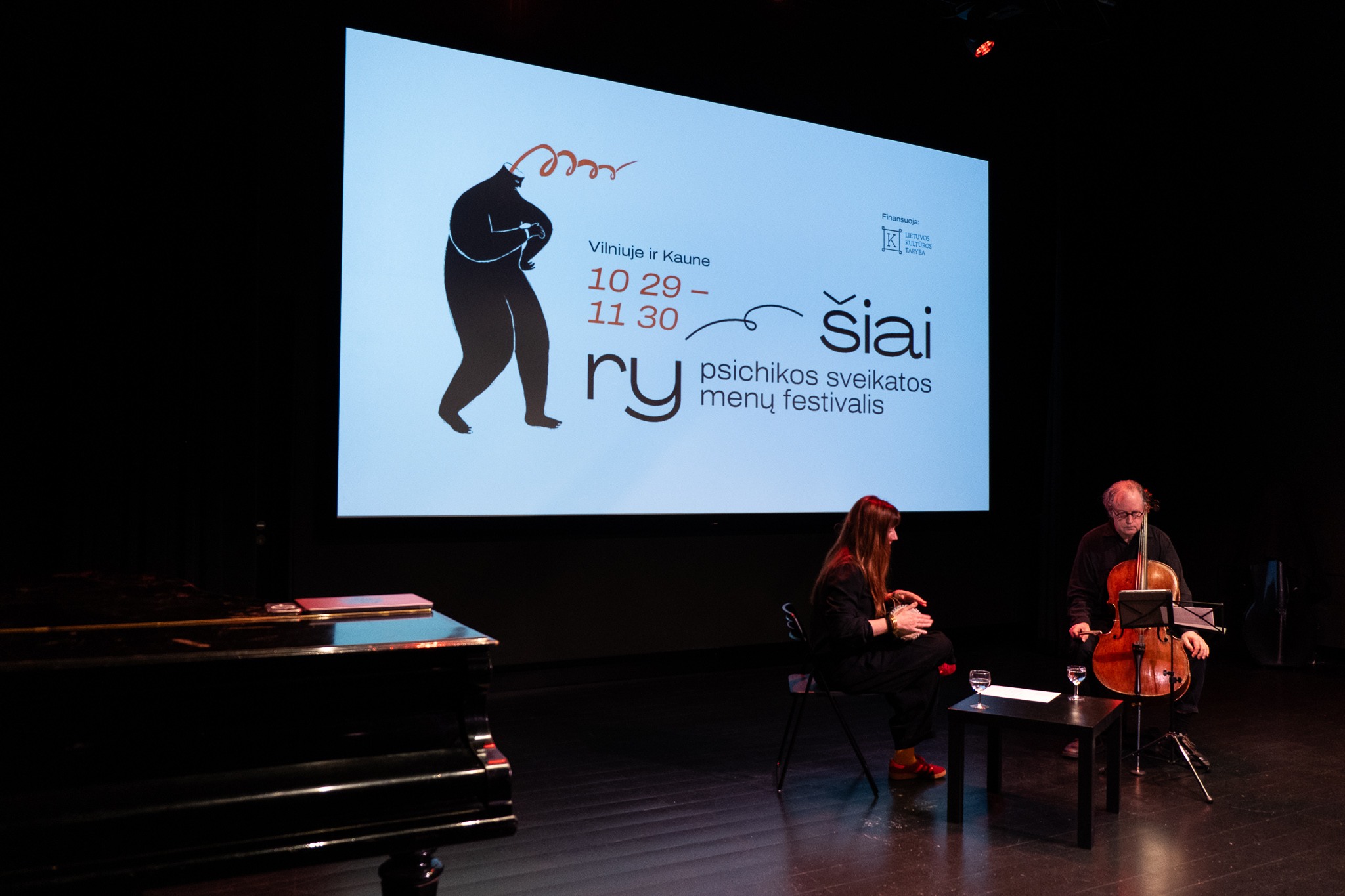
Body as an orchestra…
Trained as a Western classical pianist, Helen discovered South Asian classical music later in her career. Her work has since become known for incorporating both traditions — but also for treating plants as important creative collaborators. Recently, she completed a PhD in Music and Health Humanities at SOAS University of London, where she researched corporeal acoustemology — how sound and listening can reveal embodied knowledge about health, illness, and the body.
“Our cells die in certain patterns. All of this can be replicated through sound in a way that can cross cultures and societies.”
“I love how sound has this kind of untapped potential for helping us understand our bodies,” says Helen as we meet the next day after her performance. “The medical profession is all about language, text and image. But it makes total sense to me because the body is like an incredible orchestra. [...] There's 700,000 cell deaths every second in our bodies, and to be able to hear that over the course of a 30-minute piece is quite an interesting experience for me and for the audience,” says Helen. Her piece KRANKENHAUSFUNK and the extrinsic death receptor pathway is an example of artistic experiments to express physiological processes through sound.
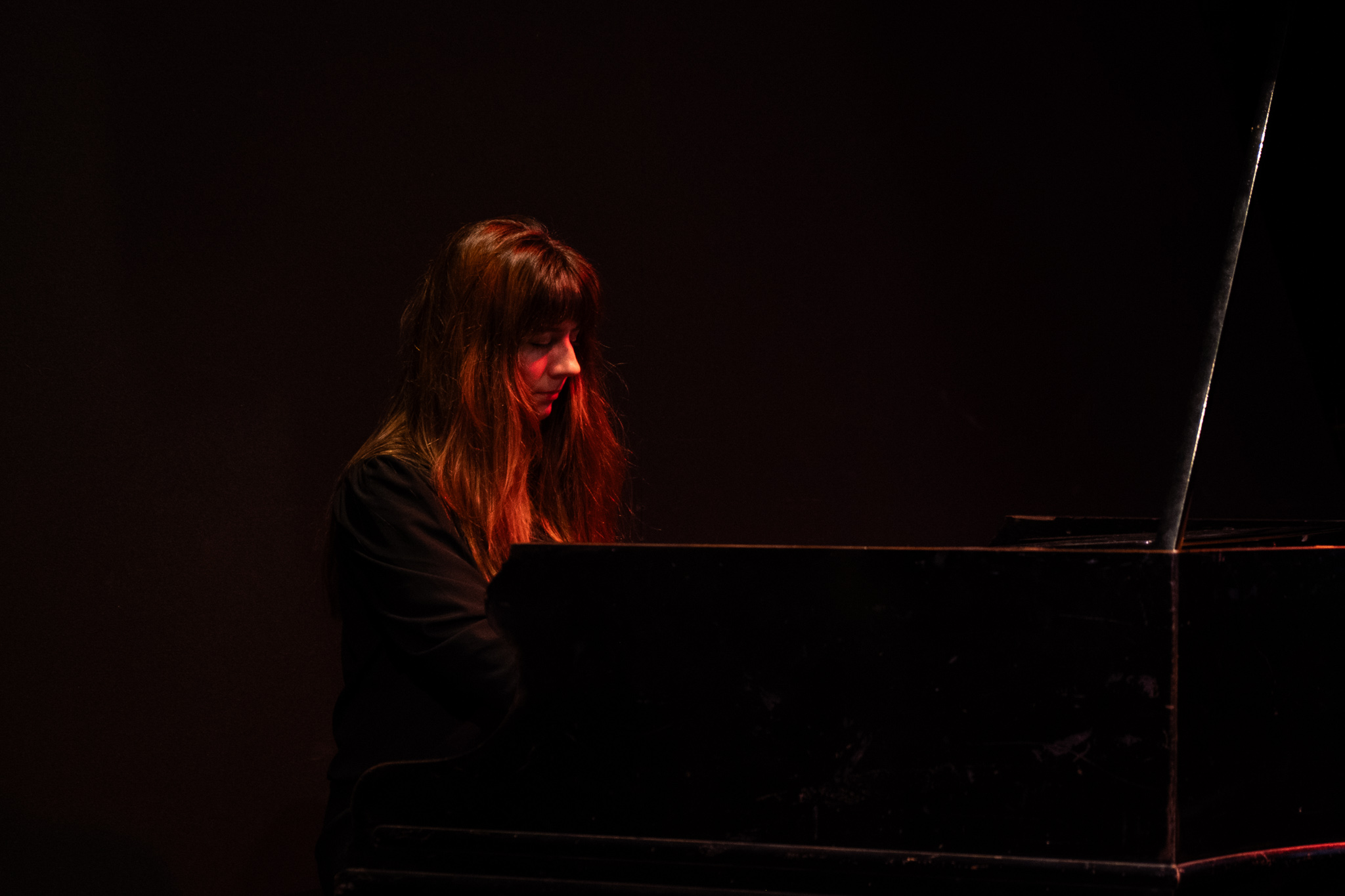
… and cello as cancer.
Just a few weeks before COVID reached Europe, Helen was diagnosed with aggressive breast cancer at the age of 37. She then went through an intense 15-month treatment that included chemotherapy, surgery and other forms of treatment. To help pass the time and keep her brain active during chemotherapy sessions, Helen would practise konnakol exercises — a vocal art form originating in South India. “Thinking musically allowed me to have some kind of agency through my treatment,” remembers Helen.
“We know from research that sound has a huge impact on people's recovery and reduction of trauma.”
Plants as collaborators
When Helen found out the fact that one of the main chemotherapy drugs she was receiving was derived from the same tree that grew in her childhood garden, it gave her much-needed reassurance and strength during her own treatment. The artistic research on plants used in anti-cancer treatment led to the album linea naturalis (we’re all bioelectrical beings), released in 2023.
With this album, dedicated to people undergoing cancer treatment, Helen aims to bring the listeners “back to nature whilst being in an unnatural environment. [...] I try to create things that make this very difficult experience just ever so slightly less difficult for the next person coming along to go through it,” says Helen.
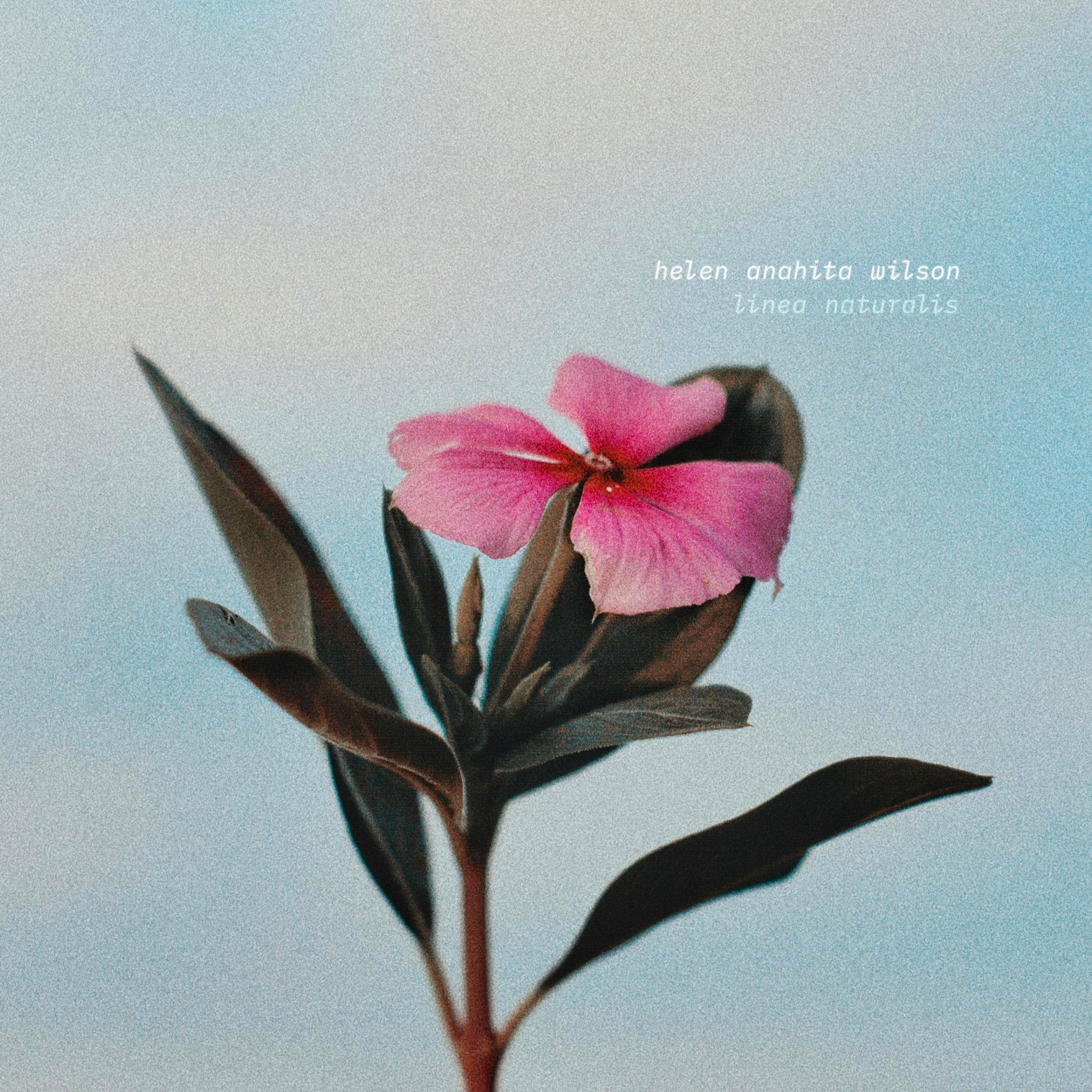
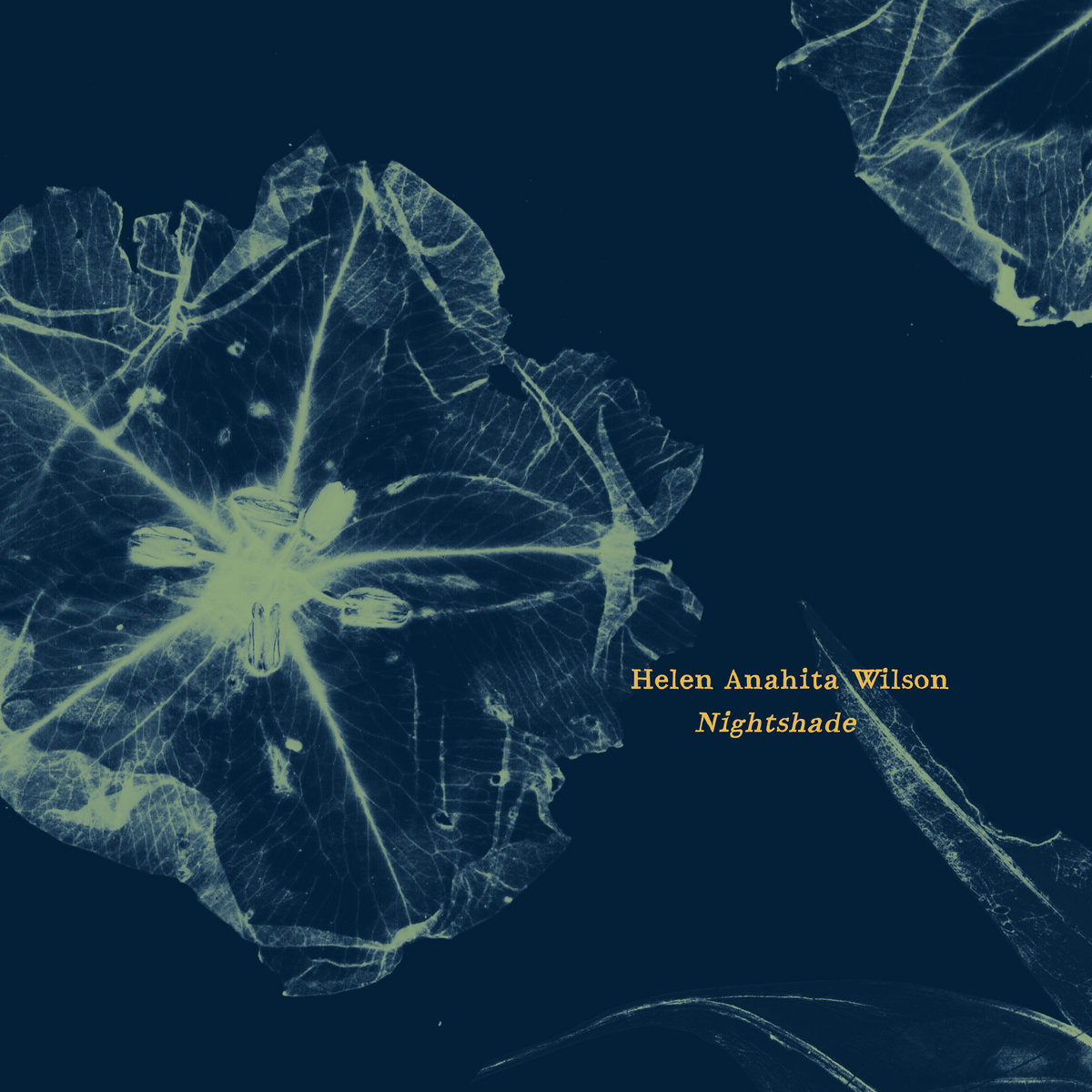
Helen continued to ‘collaborate’ with plants on her most recent album Nightshade. The track The Devil’s Trumpet (my and Helen’s favourite) is definitely worth a listen.
Pink stuff…
When I asked Helen's opinion on how we, as society, see cancer, she held a strict stance towards prominent commercialised representations of the illness. For her, sound becomes a tool to have inconvenient conversations that, as she says, don’t fall into the trappings of infantalizing, baby pink ribbons or bright-coloured sponsored marathons.
©Matt Favero
Hear the full interview on NARA podcast.
Further reading on sonic life writing discussed in the episode:
- Helen’s PhD thesis – Otobiography of a Cancer: Life Writing and Indian Rhythm in Transdisciplinary Composition.
- Baraitser, Lisa. (2017). Enduring Time. Bloomsbury Publishing.
- Derrida, Jacques. (1985). The Ear of the Other: Otobiography, Transference, Translationff: Texts and Discussions with Jacques Derrida. Schocken Books.