Preserving Forgotten Lebanese Music, One Vinyl at a Time
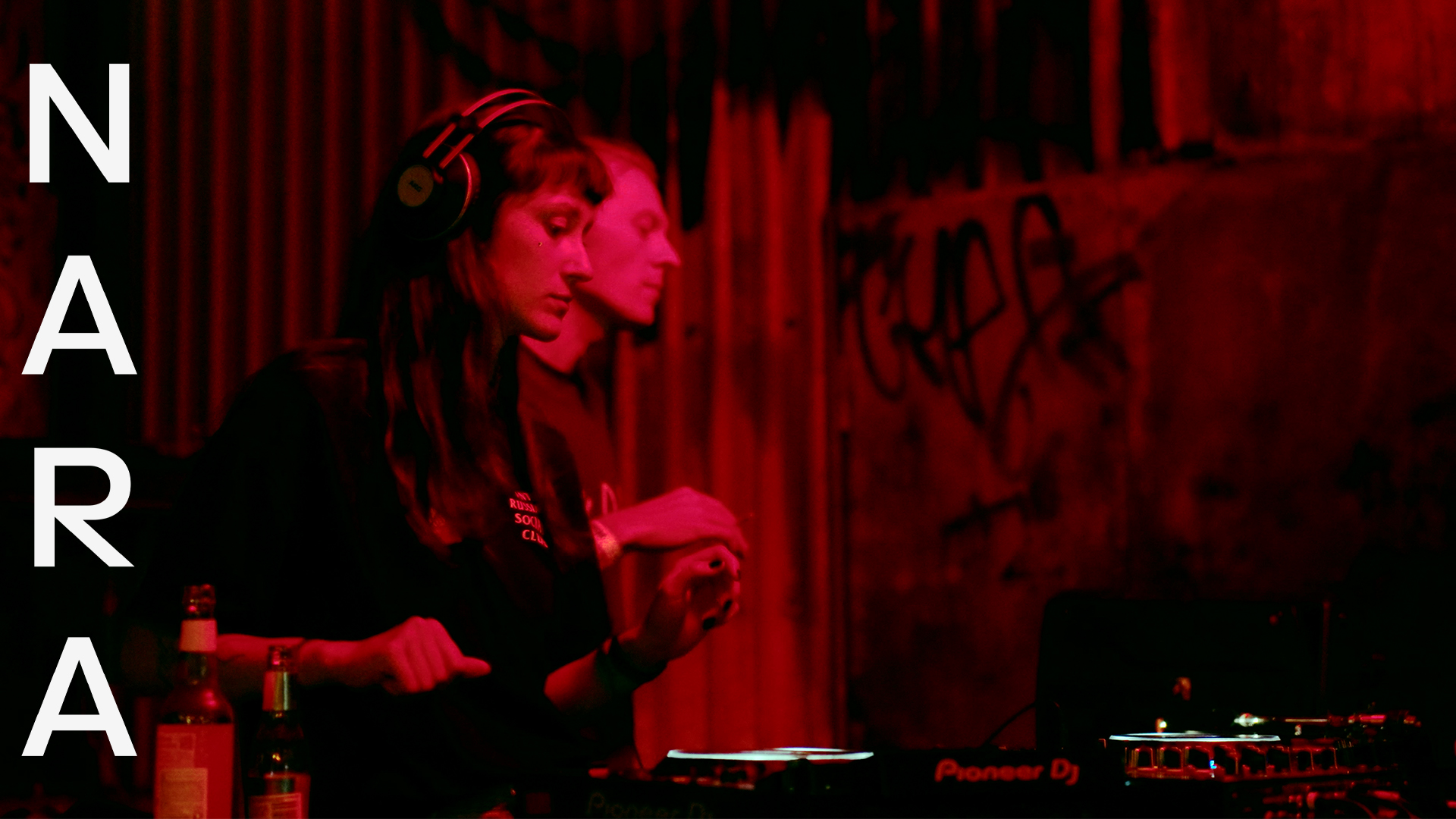
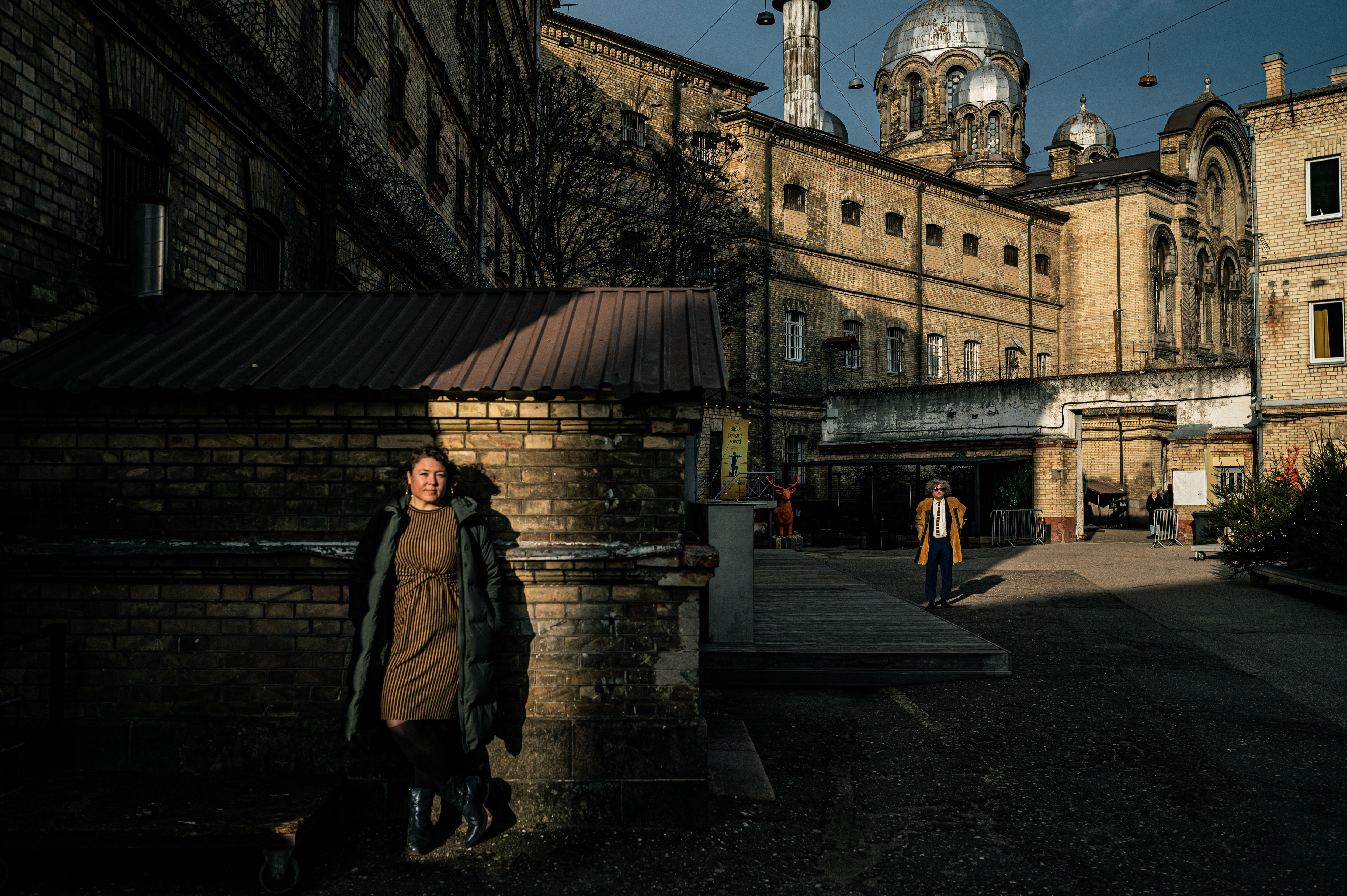
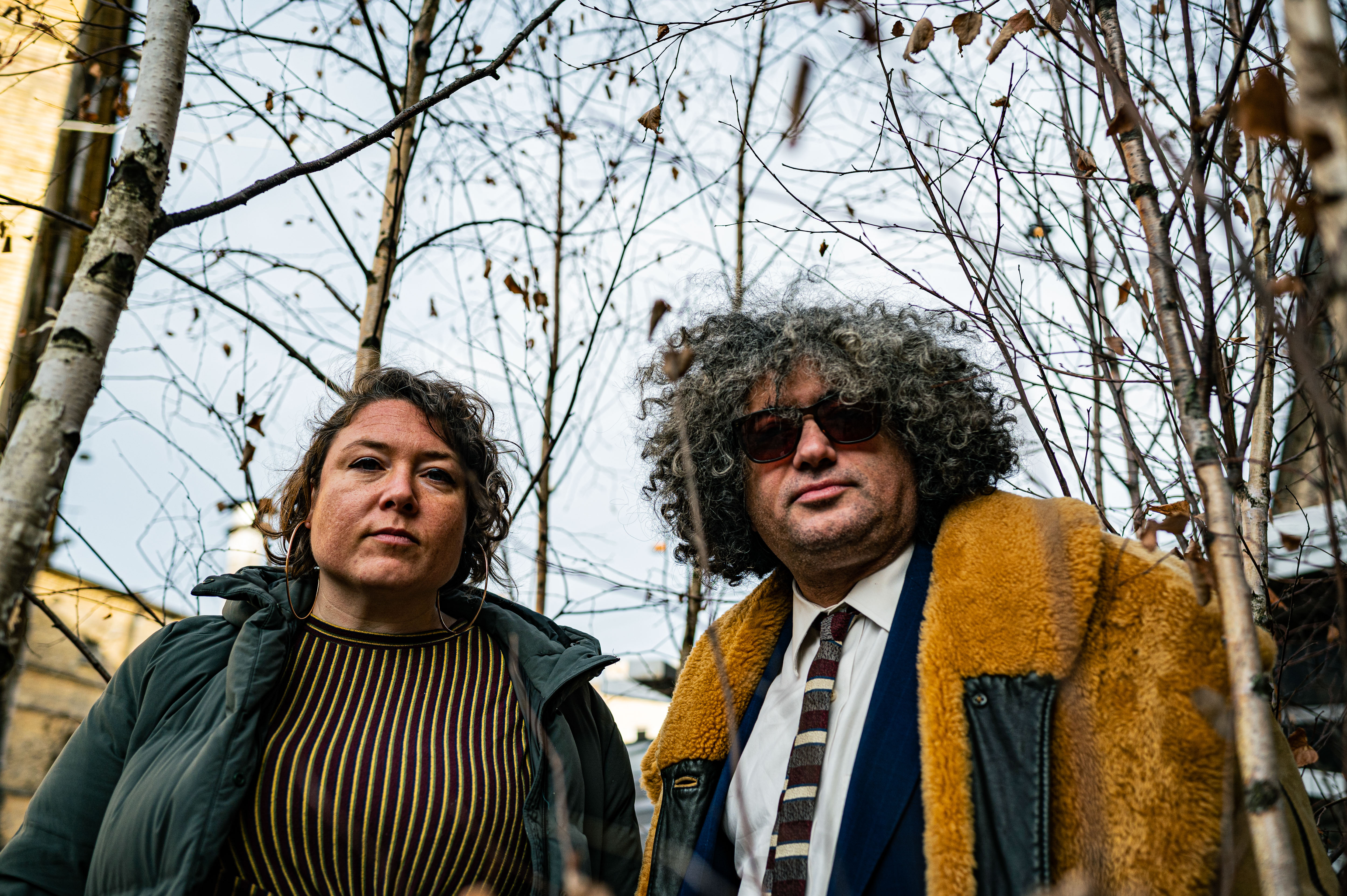
Formed in Beirut and now based in London, the Beirut Groove Collective has been championing left-field Middle Eastern and African music for the past 16 years. We met its co-founders, Ernesto Chahoud and Natalie Shooter, after their first gig in Vilnius.
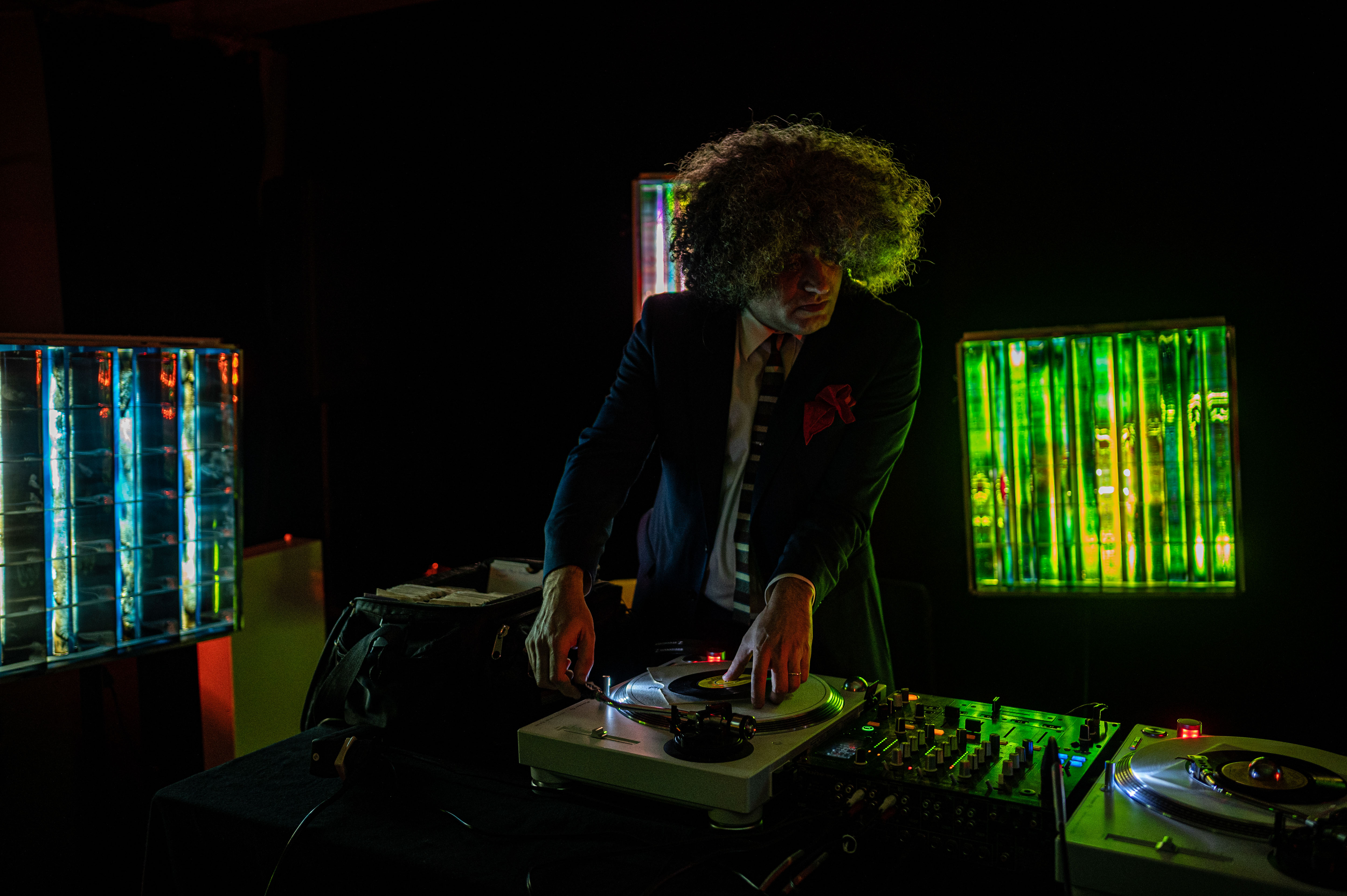
Ernesto and Natalie came to Vilnius last November, as part of the Videograms (Videogramos) festival. The duo’s vinyl set was a rare opportunity to hear music from Lebanon, Palestine, and other Middle Eastern countries whose cultural heritage has been overlooked in the Western cultural canon.
As this week’s Videograms live music show in Vilnius approaches, we are revisiting our conversation, which focused on cultural resilience at the time of war.
“It's important not to stop culture and music. You should keep it going instead, because at a time when Palestinian and Lebanese populations are under constant threat, and their culture and history are being erased, I think it's important to continue playing music from the region, continue highlighting the richness of the culture. It's not a time for silence,” says Natalie Shooter, a DJ and writer.
The soundtrack for the interview could be provided by Ernesto’s monthly NTS radio show, Beirut Daze. Born in Beirut during the Lebanese Civil War, Ernesto holds a unique knowledge of the region’s underground music, which he preserves through his extensive vinyl collection.
The conversation was hosted by Julija Stankevičiūtė and has been edited for length and clarity.
Could you tell us about the origins of the collective? I'm particularly interested in how your different backgrounds shaped its formation – Ernesto, coming from Lebanon, and Natalie, from the UK.
Ernesto: Beirut is a very cosmopolitan city. You find a lot of different nationalities living together. It’s not uncommon to have a night where you have three people playing from three different countries. A lot of people keep visiting Beirut because it's very close to Europe. Also, workers from other countries are living there, doing all kinds of jobs.
So when we started the collective, I was the only “100%” Lebanese. The other people were Swedish, American, British, Swiss, Japanese. We were all music lovers – and we all met in Beirut.
Before the collective, I was teaching and working professionally in music since I was 16. And it was similar for other people. So it wasn't a hobby thing. It was professional, and we were very serious about the music.
In fact, it was so professional and so serious that we couldn't find a club to host our nights. If you look at the clubbing scene 15 years ago, not only in Lebanon, but mostly everywhere, it was dominated by commercial music and electronic music, which was also commercial. So why would you host a night where we are playing African music or funk from the sixties and seventies? There wasn't much space for us. So we had to do it in unconventional ways.
Natalie: We hold our nights in different places, like warehouses. One time, we did it in a functioning silver factory that the father of one of the DJs was running. Another time, we hosted a party in an empty villa on the beach in North Lebanon. You have to use spaces across the city and then set up everything. We would set up the sound, the bar. And that's why it was a collective. A lot of people have been working on it, a lot of artists who were involved in the visual side of things as well.
It sounds like the collective was born out of a need for a different musical experience.
Natalie: Maybe out of a need to bring in some musical diversity. It started very much like a kind of funk, soul party. And also it was one of the first vinyl format parties in Beirut – strictly [vinyl] records. Why is this important? Because of the records you can play. People come to the club night because they want to hear music that they might not hear anywhere else. And some of what we play is only released on vinyl and small pressings.
“At our parties, the music sounds very new, but it's not new. It's old.”
As the party developed, we turned our focus to Lebanon and to the wider region as well. Because there's a lot of music that wasn't widely known. Like the Armenian beat scene, Lebanese funk, Belly Dance disco – all these records that, maybe at the time they came out, didn't get a big release. But they are on independent pressings.
So over the years, our sound developed. We still play a lot of funk, soul from all over the world, with rhythm and blues, psych. But we also play a lot of music that came out of Lebanon in the sixties, seventies, early eighties.
And I think it taps into, like Ernesto was saying, that diversity that always existed in Beirut. We did quite a bit of research on the scenes that existed, like the nightclub scene during the Civil War period. We write articles on different music studios, on different artists from that time. We are interested in the musical history of Beirut. We write about it, we research it, and it also comes out in the records that we play at a club night.
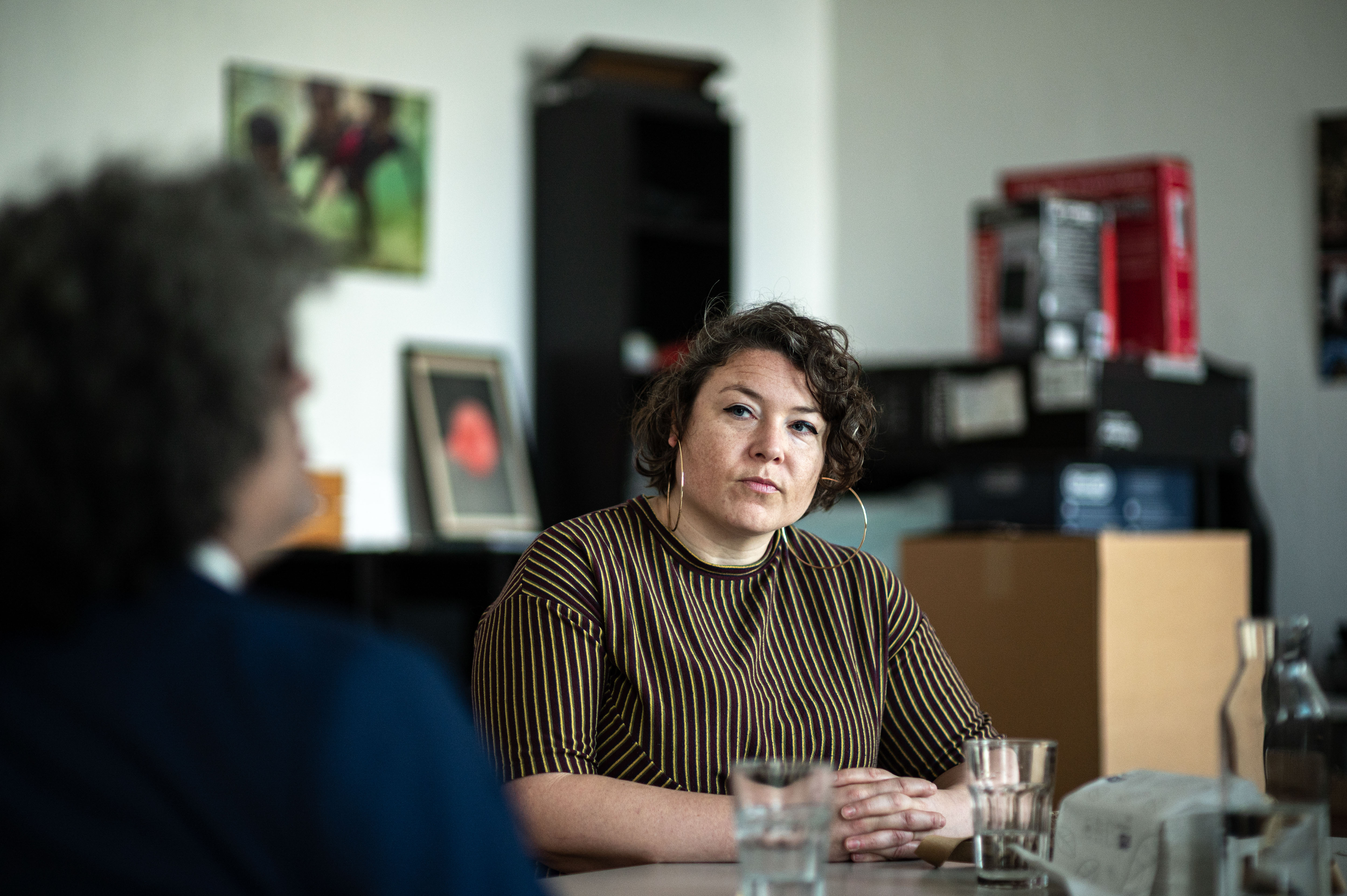

As you said, you play vinyls only, which is probably very unusual for people coming to a dance party. For me, yesterday at your party, it was my first time seeing that. But maybe because I'm fresh to the scene. What does it mean for you to play vinyls and why did you choose that?
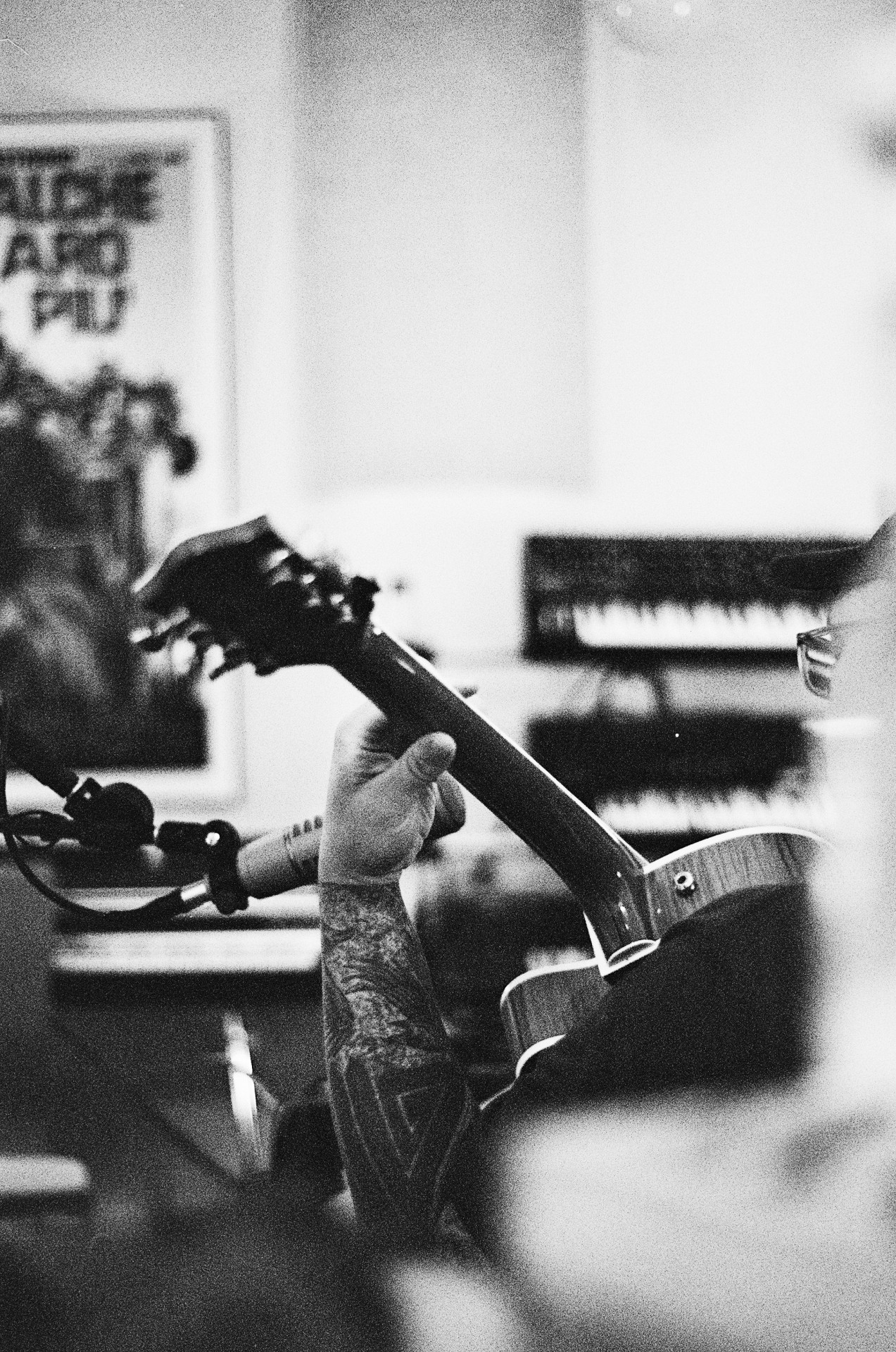
Natalie: I inherited my grandma's vinyl collection, as many people did. I started being around records and collecting records from when I was quite young, like 13 or 14. I just like the format of it. Something physical that you can hold. It was back in the days of slower music consumption when you would sit in the house, get a record, read the sleeve notes, see the visuals on it.
As a DJ, I prefer a format that I can touch, that I can control with my hands. There's just something more satisfying about it. I feel more connected to it rather than just pulling up a USB playlist. I think it focuses you more on what you want to play as a DJ on that night.
Ernesto: You had record shops [in Beirut] all the way through since, like, the forties. So it would be very usual to go to a place where you find a record turntable, even in a bar or a pub, and then find people playing records. The vinyl didn't really disappear here. I was DJ’ing all my life on the records in clubs or bars. In Lebanon, you had pressing plants from back in the day, like from the fifties. It’s part of the music life to have a record collection.
But it's not only about the format or the sound. We do Diggers Club nights where a lot of music is unreleased digitally. We play music that has been overlooked, had a limited run, or never had any commercial success, was lost, destroyed. So it's not just about the format. It's about playing records that you cannot find anywhere else.
It's not that we just wanna play records 'cause it's cool to play records. It is very cool. It is coming back, and that's really fantastic. But it's not the same thing if you're playing vinyls, but it’s the same music you can find everywhere else. At our parties, the music sounds very new, but it's not new. It's old. Do you know what I mean?

How do you find new records to play?
Natalie: As a music digger, somebody who's running a club night, you're just all the time searching for new music. When we were living in Beirut, it would be very physical. There are still lots of places that sell records – and not just record shops. Some Lebanese record labels were active in the sixties, seventies. And the owner, or the family of the owner, has the whole catalog of the label in their home. So you go and make an appointment.
“There's a lot of music that wasn't widely known. Like the Armenian beat scene, Lebanese funk, Belly Dance disco.”
And then there are vintage record shops, flea markets. You are just going out, searching for records, and you might have in your mind certain ones that you are eternally looking for, records that are very rare, and you've always got them in the back of your mind. But you're also looking for something new that you never knew existed.
It's also about taking a chance on a record and picking up something that looks or sounds interesting. Maybe you know the label, or maybe you just like the look of the cover.
Has the message of the collective and the music you play changed with the war in Lebanon and Gaza?
Natalie: In October, when we were in Lebanon, and the war started in Gaza, Israel immediately started bombing South Lebanon. We'd done two of our club nights, and we decided to cancel the rest because it didn't feel right to continue doing a party while there's Lebanese people having their homes destroyed and being killed. We are following the news of the war every day. You can't think of anything else. It runs through everything.
Ernesto: Definitely, a hundred percent. Obviously, you know this because you are also close to a different kind of war, which is Russia and Ukraine.
For context, we moved our night to London after 12 years in Lebanon. We did it for many reasons. Some of them are personal. Another thing was that COVID came, and we were stuck in London. And then the economic crash before that, which destroyed the economy in Lebanon. And then there was the explosion near the club in Lebanon, where we have been doing nights for the last four years on a weekly basis. The club was just by the port where the explosion happened, and then half of the city was destroyed.
So, many reasons made us stay in London. But we were in Lebanon when the war started. They were asking everybody to evacuate. You would hear bombing very close by. You would hear sonic booms all the time. We had to leave. How did the war affect us? It affected us in the worst way possible. How can you do a night when your country is being bombed, and people are dying?
How do you not fall into helplessness?
Ernesto: I don't know. The most difficult thing is that we are not living in Lebanon. So we have to continue our lives as normal. But it's not going on as normal, because most of your life is your family, and everything is there, in Lebanon. When you are in a place that is not affected by the war, like London, you have to continue your life as normal. Otherwise, what are you going to do? You will lose all the way through if you stop doing what you're doing.
We did several things. We sold our merchandise and then donated to a medical clinic that's operating inside the war zone in the suburbs of Beirut. And we did try to raise awareness about what's happening there. But more than this, what else can you do?
Natalie: We tried to raise the reality of what's happening through the networks and platforms that we are privileged to have. Me personally – I’m British, I'm not Lebanese, but I'm very connected to Lebanon after living there for so many years. And my in-laws are there, obviously, Ernesto’s family and friends. For me, in these times, it's important not to stop culture and music. You should keep it going instead, because at a time when Palestinian and Lebanese populations are under constant threat, and their culture and history are being erased, I think it's important to continue playing music from the region, continue highlighting the richness of the culture, and everything else. It's not a time for silence.

True. One of my friends said – If there is no culture, then what are we fighting for?
Natalie: Yeah. It's true.
“We have to continue our lives as normal. But it's not going on as normal, because most of your life is there, in Lebanon.”
I'm working on a story right now about young Lithuanian musicians. The industry here, it seems to me, is very closed off and rather toxic. So perhaps you would have some advice for young musicians starting out.
Ernesto: No. I am against advice.
Natalie: Why?
Ernesto: I can't advise. It's patronizing. And it's different. You cannot compare cities. Even the capitals near Beirut are not very much the same. Beirut is one of the oldest inhabited cities in the world. Its position on the Mediterranean is really important. Throughout the years, it was very open. Also, it has a modern political regime from the twenties. Beirut was the only capital around that was democratic. Freedom here is very high. The Republic of Lebanon is a parliamentary regime, so it's a democratic regime.
Other than this, you also have a lot of freedom of the press. A lot of literally movements started in Beirut. In Beirut, you could always release whatever you want, you can press whatever you want. So that attracted artists who were running away from other dictatorship regimes around – from Syria, Egypt, Jordan. Basically, it was a center of intelligence, Arabic intelligence in many ways, including musically, of course.
So how can someone like me, coming from Beirut, give advice to someone from Lithuania?
Natalie: I'll give you some advice. For younger artists, I think the most important thing is community. Find your community. It applies anywhere in the world. Find like-minded people who are curious about music and art, and who explore things in the same way as you.
The community might be a radio station, it might be a club night, it might be a whole scene. Or it might be a group of friends. But if you find your people that you can share your music with, you can support each other when you're doing nights, when you're getting your music out there. I think that's at the heart of any music scene.
Thank you so much.
Ernesto: Thank you. Didn’t you say the flea market is not far?
The interview was conducted with the assistance of the Videograms festival in Vilnius. As its curator Marija Nemčenko explains, “The festival focuses on a video art and music program presenting artists from beyond the hegemony of Western culture.”
The big theme of the festival is migration. “In our region, we are more familiar with migration through the prism of emigration – the 90s and 2000s were followed by a strong wave of emigration, which is still being explored in the works of artists and directors,” continues Marija.
“However, as the economic situation in Lithuania changes, emigration is increasingly being replaced by immigration and the phenomenon of hypernationalism that is steadily rising with it. The goal of the 2025 Videograms program is to create a medium for a broader discussion about this seemingly taboo topic, and to connect our own emigration experiences with the experiences of other, often peripheral regions, through video art, discussions and workshops.”
Find out more at the festival’s website.