In 2022, Russia’s large-scale invasion of Ukraine once again disrupted the established order throughout Europe.
Central and Eastern European countries responded by strengthening their defense policies and reviewing their civil preparedness systems.
At the same time, the war in Ukraine has a direct and indirect impact on people’s lives in the region, ranging from issues of citizenship and migration to long-term social and psychological consequences.

-


Palaiko savo šalies narystę NATO
-

Pritaria didesnėms gynybos išlaidoms
-


Tiki demokratijos nauda savo šaliai
Kas yra saugumas?
In the current context, security is most often understood through the prism of institutions and military capabilities. However, security also encompasses social cohesion, political rights, and personal safety. It is shaped not only by state policy, but also by how people experience and perceive preparedness, responsibility, dependence, and vulnerability.

Tradicinis saugumas
gynyba; suverenitetas; sienos; kariuomenė

Socialinis saugumas
socialinė gerovė; įtrauktis; bendruomenė; socialinis teisingumas;

Ekonominis saugumas
finansinis stabilumas; prieiga prie išteklių; darbas; infrastruktūra

Politinis saugumas
demokratija; teisinė valstybė; pilietinės laisvės; skaidrumas

Žmogaus saugumas
sveikata; orumas; asmens saugumas; gyvenimo psichologinė gerovė; autonomija
Five NARA publications examine from different perspectives how the new security context is affecting people and societies in Central and Eastern Europe. They discuss the trauma of war captivity, criticism of militarization, gray areas of citizenship and identity, alternative paths of service, and future opportunities for those growing up in war.

Pasakojimai
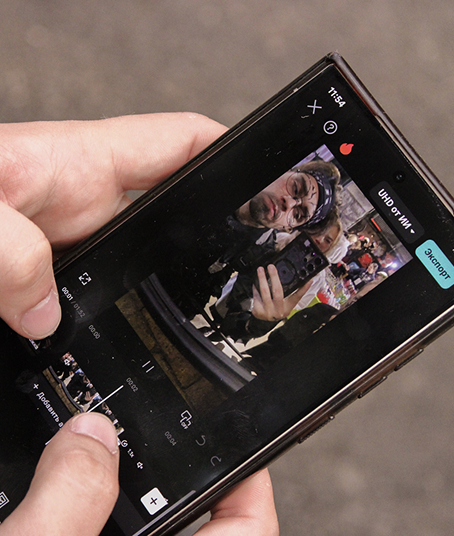

Iš gražaus plieno padaryta sterili pasaulio vizija. Istorijos iš atostogų su kariuomene Lenkijoje
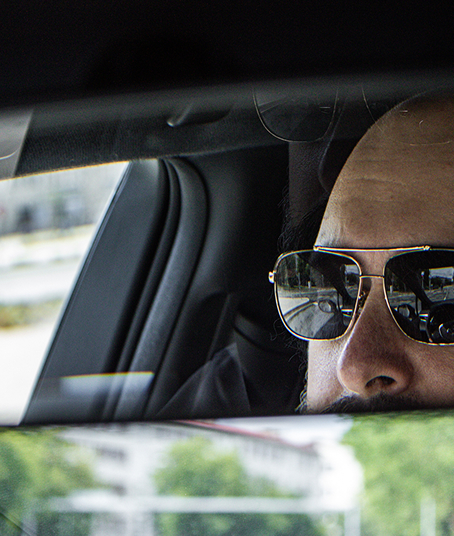
Iš gražaus plieno padaryta sterili pasaulio vizija. Istorijos iš atostogų su kariuomene Lenkijoje